If I asked you, “How do you spend your weekend?”, what would you say?
Now, I’m not talking about a gloomy winter day where it’s chucking it down outside and you’re stuck indoors in a hoodie, binge-watching something on Netflix. I’m talking about those sunny Saturdays in August, when the sky is actually blue (a rare sight in London), the streets are buzzing, and the city is basically calling your name.
For me, those days come with a certain kind of pressure. Like, why on earth would I lock myself indoors when the weather’s good, there’s a thousand plus events happening, and I’ve still got my health and my youth? It almost feels criminal not to make the most of it.
After all, you only live once, right? And I’m lucky enough to live in one of the best cities in the world — the big smoke, London town, home to endless things to do.
The London Weekend Dilemma
Here’s the thing about living in London — there’s always something going on. Festivals, rooftop bars, street food markets, park picnics, art exhibitions, you name it. If you wanted to, you could fill every single weekend with back-to-back plans and barely see the inside of your flat.
And that’s the problem.
It’s too easy to get caught up in the FOMO (Fear of Missing Out) game. You scroll through Instagram and see your mates at a BBQ, someone else at Notting Hill Carnival, another group at a rooftop bar with cocktails that cost more than your weekly food shop — and suddenly, your quiet Saturday feels like wasted time.
But here’s the truth I’ve learned: just because something is happening, doesn’t mean you have to be there.
The Temptation of a Big Night Out
I’ll be honest — right now, I could’ve been somewhere having a few drinks with friends. It’s warm out, the vibes are good, and if I’d said yes to the invites, I’d be laughing until 2am, music in the background, not a care in the world.
But here’s the flip side — I know exactly how that would end. I’d wake up tomorrow with:
A pounding headache.
A lighter bank account.
Zero energy.
A whole day wasted lying in bed trying to recover.
I’ve done it enough times to know that future me would regret it.
Instead, as I’m writing this, lying on my sofa, I’ve already planned the rest of my day: a bit of revision, some life admin, a quick gym session, seeing my nephews, and dinner with a mate. And the beauty is — I can actually do all of that because I won’t be battling a hangover.
Why Saying “No” Can Be a Power Move
Look, I’m not trying to be that person who preaches about cutting out social life completely. I’m the last person to talk because I’ve fallen into the “always out” trap more than once. But here’s what I’ve learned:
It’s not just okay, it’s necessary to take weekends for yourself sometimes.
In a city like London, people wear “being busy” like a badge of honour. If you’re not at brunch, you’re at a gig. If you’re not at a gig, you’re doing bottomless drinks. If you’re not doing bottomless drinks, you’re somehow running a half marathon for charity on three hours of sleep.
It’s exhausting.
And more importantly, it distracts you from the bigger picture — your actual goals.
The Bigger Picture
This is the part that’s hard to remember when you’re caught up in the buzz. The bigger picture for me right now is:
Passing my upcoming exams and getting my professional qualifications sorted.
Taking care of my health — both physically and mentally.
Strengthening relationships that actually matter instead of spreading myself thin.
Saving money for things that genuinely improve my life instead of throwing it away on overpriced drinks.
When you think long-term, one missed party isn’t a big deal. In fact, it’s an investment in your future self.
The Benefits of a Quiet Weekend in London
So what does a “quiet weekend” actually look like for me?
It doesn’t mean sitting in silence staring at a wall. It means:
Catching up on life admin: paying bills, tidying up, meal prepping.
Getting active: hitting the gym or going for a run in the park.
Spending time with family: in my case, seeing my nephews.
Quality time with a friend over dinner instead of a loud club where you can’t even hear each other.
Working on personal projects that I never have time for during the week.
And here’s the thing — at the end of the weekend, I feel better. Not just physically, but mentally. No guilt, no wasted time, no waking up wondering how I spent £80 in one night.
Balancing Social Life and Self-Care
I’m not saying you should become a hermit. Balance is everything. Some weekends, you’ll be out until sunrise, dancing to music that you’ll half remember. Other weekends, you’ll be in bed by 11pm with a book and a cup of tea.
Both are fine. Both have their place.
The trick is knowing when to say yes and when to say no.
Final Thoughts — Giving Yourself Permission to Stay In
The biggest shift for me has been realising that staying in isn’t wasting time. In fact, it can be the most productive, restorative thing you do for yourself.
London will always have another rooftop party, another night out, another festival. But your time, your health, and your energy? Those are limited. Spend them wisely.
So next time it’s a sunny Saturday and you feel the pressure to be everywhere at once, remember this: sometimes the best thing you can do is absolutely nothing — and that’s more than okay.
If you’ve enjoyed the article then make sure to check out my other ones here! And subscribe to the channel, join a growing community.
I’m also a member of Medium, where I post all my blogs there – including this one.
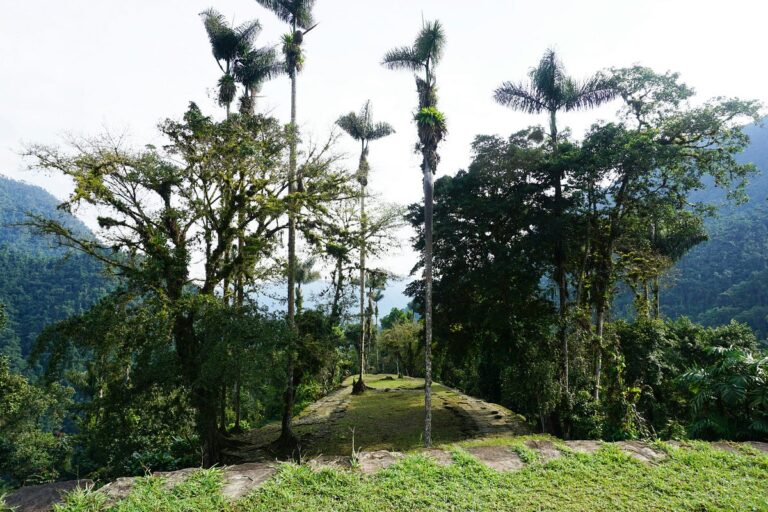
Tucked away in Colombia’s Sierra Nevada mountains is Ciudad Perdida — the Lost City — a place older than Machu Picchu, hidden under thick jungle for centuries. Getting there isn’t easy. You’ve got to hike for days through muddy trails, cross rivers, climb endless hills, and battle the humidity.
But honestly? That trek turned out to be one of the best things (and sweatiest hikes) I’ve ever done — not just for the views, but for the people I met along the way. Especially the Wiwa guide who told me a story that stuck with me ever since: the story of the woodpecker and the toucan.
What’s the Lost City Trek Actually Like?
The Lost City Trek is usually a four- or five-day hike (I did five), covering about 46 kilometres out and back. Each day you’re trekking for hours, crashing at simple camps by the river, eating basic meals, and getting tortured by mosquitoes (they somehow loved by blood).
The route runs through Indigenous lands, and most of the guides are from local tribes like the Wiwa or Kogi. Along the way, you don’t just get incredible jungle scenery — you also hear real stories and traditions passed down for generations. And that’s what makes it so different from any other trek I’ve done before.
The Story of the Woodpecker and the Toucan
One evening, after a big days hike and one too many protein bars and bowls of rice, we all sat around while our Wiwa guide shared a story. He told it mostly in Spanish, and between my broken Spanish and the help of a translator, I pieced it together.
It goes like this:
A long time ago, the woodpecker and the toucan didn’t look anything like they do today. The woodpecker actually had a huge, colourful beak — just like what we see on toucans now. Meanwhile, the toucan had a short, sturdy beak, a bit like a chisel.
The problem was, neither bird was very happy. The woodpecker struggled to find food; his big flashy beak was too heavy and awkward for pecking into trees. Meanwhile, the toucan couldn’t reach the sweet fruits hanging from the tall branches with his small beak.
One day, fed up, they met and decided to swap beaks. And just like that, everything fell into place.
The woodpecker could finally hammer into trees, find insects, and survive. The toucan, now blessed with a big, curved beak, could reach fruit and show off his colours.
And that, according to Wiwa tradition, is why the woodpecker and toucan look the way they do today.
A Lesson from the Jungle
It’s a simple story on the surface, but sitting there, halfway up a Colombian mountain, it hit different.
It’s about adapting, working together, and finding balance — not just between animals, but with nature itself. The Wiwa people, like the Tayrona before them, live by those kinds of lessons. And it’s something that stays with you after a trek like this — way more than just the photos or the scenery.
Final Thoughts (and a Bit of Advice)
If you’re thinking of doing the Lost City Trek, here’s my honest advice: don’t rush it. Don’t treat it like just another hike to tick off a list. The Wiwa and Kogi communities you meet have a lot to share — if you’re willing to really listen.
Take your time. Listen to the stories. Appreciate the culture you’re walking through.
Sometimes it’s not about getting to the destination first. Sometimes, it’s about the stories you pick up along the way — the ones that stay with you long after you’re back home in London, thinking about how a woodpecker and a toucan once made a deal that changed everything.
Dating in your 30s is different, man. It’s like the Wild West out here. I went on a date the other day, and honestly — f*ck me — this stage of life comes with a whole new set of challenges.
Straight to the Point
We’re barely an hour into the conversation and she’s telling me she wants to date for no longer than a year, get married, and start a family. And honestly, fair enough. Time is ticking, and no one wants to waste it anymore.
That’s the thing about dating in your 30s. It’s not the easy-breezy “see where it goes” vibe from your early 20s. It’s more like, “Are we compatible? Do you want kids? Are we aligned?” Initial attraction? Cool. But once that’s out the way, it’s straight into the heavy questions. You’re basically interviewing each other for a joint future.
Dating Apps and the White Screen Love Story
Right now, I’m only using dating platforms — trying to find “my person” through a white screen. It’s weird, init? Swiping, messaging, getting a convo going with more than one person at once. And obviously, you know full well they’re doing the same.
You get a decent convo flowing with someone, you agree to meet, and you’re hoping the in-person vibe matches the chat and the pictures. But it’s mad because sometimes all it takes is one small thing — a comment, a bad habit — and your mind’s already halfway out the door. You’re clocking it, thinking, “Yeah, this probably isn’t it… but let me be polite, innit.”
At the end of the date, sometimes both of you know it’s not going anywhere. Sometimes only one of you does. Either way, it’s part of the madness.
Did My Date Go Well?
Honestly? It was alright. Bit of chemistry, but not fireworks. Some awkward silences, but not deal-breakers. I told myself I’d maybe give it a second date — just to see. Because real talk, instant sparks are rare at this stage.
But when I woke up the next day, reality slapped me a little bit. I realised I do want that instant connection. I’m not saying it’s gotta be a Netflix love story, but I want that natural click. That feeling where conversation flows without thinking.
And yeah, even though I know that “spark” fades eventually in relationships and the real work begins — I still want it at the start. I think we all do.
What’s the Lesson Here?
If dating in your 30s has taught me anything, it’s this: don’t settle just to tick boxes. Yeah, the pressure’s different now — marriage, kids, building a future — but rushing into something just because time’s moving doesn’t guarantee happiness.
You’ve gotta stay honest with yourself. If that initial spark ain’t there, or if deep down something feels off, trust it. You’re not 21 anymore. You know yourself better now. You know what energy feels right.
So moving forward, date with intention — but don’t force it. Let it be real, let it be mutual, and don’t be afraid to walk away if it’s not clicking.
And whether that spark hits straight away or grows slow, one thing’s for sure: you can’t force it.
You’re not running out of time. You’re just getting closer to finding the real thing.
So take your time. Move smart. Don’t rush something real for something quick. The right person will feel easy, not forced — and you’ll know when it’s meant for you.
Earlier this week, an Arab colleague at work told me something that stuck with me.
“Work will always be hard for us because we’re not white—especially for you, because you’re Black.”
My first thought was, what the fuck? But I knew she didn’t mean it with any disrespect. If anything, as blunt as she was, I knew exactly what she was trying to say because I’ve felt it too. But hearing it out loud, from someone I work with, hit differently this time. She told me this in Arabic. And yes, I speak Arabic—not fluently, but well enough, and with an accent. I was born in the UK to Sudanese immigrant parents, so my experience has always been shaped by both cultures.
She went on to say that she struggles not just because she’s Arab, but because English isn’t her first language. And I get it. If you struggle to speak the language, you struggle to articulate your thoughts fluently. You miss the nuances, the inside jokes. And trust me—British banter is a language of its own. Maybe only Aussies and Kiwis come close in terms of dark humour and sarcasm.
The System Isn’t Built for Us—But That’s Not an Excuse to Stop Pushing
I know there are barriers. I’ve felt them firsthand. But I can’t let that stop me from moving forward. My plan? Keep building my experience, keep progressing. And if I hit a wall, I’ll find another way around it.
Right now, as I write this, I’m actually waiting for a contract from a new company to be drafted. Why? Because my current managers told me I need a specific qualification to be promoted. Absolute bollocks, if you ask me. But it is what it is.
And here’s the irony—I asked for a £5,000 pay rise. Just five grand. They said no because I’m already being paid “my worth.” Which is funny, considering I’m doing more than my line manager. Now, my next job is paying just above that extra £5,000 I asked for, but at this point, it’s not even about the money. It’s about principle. It’s about knowing my value and refusing to be boxed in.
Because honestly, what does £5,000 even amount to in the grand scheme of things? A few hundred extra a month? Does that even match the current rate of inflation? Fuck no.
Never Depend on a Company for Your Growth
Here’s the real lesson: never depend on a company for your growth. No matter how much time and effort you invest in them, they will never invest in you the same way. And that’s fine—because there’s always another company out there that will appreciate the skills you’ve gained. And if not, then maybe it’s time for a change of scenery.
Complacency is the real killer. There’s nothing worse than waking up one day and realising that years have passed and you’re still stuck in the same place, wondering, where did the time go?
If you’re thinking about applying for a new job, do it. If you’re even considering looking around, that’s your answer. You should be applying. Use these companies the same way they use you. Get the experience, take advantage of every course and training opportunity, stack up the job titles, and then leverage it for something bigger.
Start Something of Your Own—Or At Least Try
At the end of the day, each new job or promotion will probably pay you a few thousand more. But if you want something truly meaningful, you have to start your own thing—or at least try.
And that’s what I’ve been doing. I’ve tried to start multiple things. And I’ll be honest—every single one has failed. I’ve had silent breakdowns. I’ve questioned myself. But I’ve also learned from each and every failure.
So now, I have two choices: 1. Keep working for a company and find fulfilment in climbing the corporate ladder. 2. Keep working for a company while building something on the side—until one day, I don’t need that job anymore.
Option two is where my mind’s at right now.
Who the fuck knows how it will all turn out? But one thing I do know—the grind won’t stop.
So I’ll keep rolling. Keep pushing forward. And when the wheels fall off, I’ll walk if I have to.
But I know I’ll never stop.
On a similar note check out my post on the subconscious mind. Real career growth starts with shifting your mindset.
I’m also sharing my stories on the platform Medium, which is a great place for everyone to share stories.
I wrote this last night while on the last train home and wanted to share it.
It’s well past midnight, and I’m on the last train home—an unusual choice for me on a Saturday night. Normally, I’d stay out until the bars shut, the streets emptied, and my body gave in to exhaustion. But tonight, something feels different. Tonight, I’m just done. So, I make the rare decision to head back early, boarding the last train out of central London.
I find a seat, still slightly tipsy, my wallet noticeably lighter after spending more than a day’s wage on dinner and a few drinks. As the train hums along the tracks, my mind drifts, and my eyes land on a couple sitting nearby—probably in their late 50s. And just like that, a thought grips me with a force I wasn’t expecting.
What I Want Is Love—But Not Just Any Love
I want that old love.
Not just the fleeting, picture-perfect, Instagram-filtered kind. Not the kind that burns bright for a moment only to flicker out. No, I want something deeper, something lasting. I want old love—the kind that grows, evolves, and endures. The kind that doesn’t just survive time but thrives because of it.
I keep watching this couple, caught up in something so simple yet so powerful. The man—average-looking, nothing remarkable at first glance. The woman, on the other hand, has this quiet beauty, the kind that makes you certain she must have been breathtaking in her younger years. But it’s not about looks. Not really.
Then, I see it.
A Moment That Changed Everything
He leans in and kisses her. Not just a quick peck. Not just a habitual motion. First, a kiss on the lips. Then, one on the cheek. She closes her eyes as if to savour it, as if it’s a ritual they’ve repeated a thousand times but still means the world.
And then I notice something else—the way he breathes right after. A deep, contented sigh, the kind that speaks of peace, comfort, and absolute belonging.
That’s when it hits me.
I don’t just want a beautiful woman. Beauty fades. I don’t just want excitement. Excitement can be fleeting. What I want is someone willing to ride the last train home with me when we’re old. Someone who still reaches for my hand after all the years, someone who accepts me at my lowest and still chooses me.
More Than Just Love—A Promise
In that moment, on that train, I made myself a promise.
When I find that love, I won’t just hold onto it—I’ll give back even more. Not just with words, but with actions. I’ll show up, every day, in every way. I’ll be the one kissing her on the lips and then the cheek, making her close her eyes the way she did when we were young. I’ll be the one who still looks at her like she’s the best thing to ever happen to me, even when time tries to tell us otherwise.
Because that’s the kind of love I want. The kind that stays. The kind that grows. The kind that feels like home.
“Man cannot discover new oceans unless he has the courage to lose sight of the shore.” – André Gide
Ever feel like you just want to break free from your daily routine and travel—but the idea of going solo feels a bit daunting? As I get older, I’ve noticed that yes, I might have a little more change in my pocket, but finding the time to actually spend on trip abroad isn’t quite working out the way I imagined it. Those classic 9-to-5 hours don’t help much either, especially when I’m typically in the office earlier and clocking out later—essentially doing more than the standard grind! But hey, that’s London life for you.
Here’s the thing: as life moves on, coordinating travel plans with others becomes harder. Timing doesn’t always align, and life has a sneaky way of piling on responsibilities—kids, mortgages, savings, and the endless “adulting” checklist. Plus, let’s be honest: the older we get, the fewer people around us are itching to travel. Sometimes, you and your friends might chat endlessly about holiday plans, but somehow, those dreamy ideas never make it past the WhatsApp group or whatever messaging app happens to be the flavour of the year.
And for any BAME traveller, there’s another layer to consider. Whether it’s navigating new places as a minority or the extra prep (because let’s face it, representation in travel isn’t all that), it can feel like a bigger leap. But trust me, travelling solo as a black person is next-level empowering.
Ditch the Excuses and Book It
Got the time, health, and money to do it? Then stop chatting about it and just press the button. The second you secure those flights, the game changes. You’ve got no choice but to figure the rest out—and yes, it might feel like “hard work”, but trust me, you’ll come out on the other side a more grateful person and having less regrets.
Book unforgettable experiences and attractions with Tiqets.
Find the best flight deals and accommodations on Expedia UK.
Life’s Curveballs: How Travel Teaches Resilience
Think missed flights, lost bags, or turning up to a place where not a soul speaks your language (and you’re armed with GCSE-level Spanish at best). It’s nerve-racking but also hilarious in hindsight. Each mishap teaches you to think on your feet, solve problems, and—most importantly—laugh at yourself. Classic travel life throws? These are pure gold comedy and it helps building resilience. For more on embracing the unexpected while traveling, check out my post: Embracing the Unknown: My Takeaway for Travellers .
Plan budget-friendly and sociable stays with Hostel World.
BAME and Bold: Making Your Mark in the World
For Black, Asian, and other minority travellers, exploring the world can sometimes feel like you’re rewriting the rules. You’re not just traveling—you’re proving that the globe isn’t reserved for one type of person. Engaging with locals, immersing yourself in the culture, and representing your community? Now, that’s fricken powerful.
From Culture Shocks to Confidence Boosts
Ordering street food in a language you don’t speak? Trust me, it’s a humbling (and often hilarious) experience that’ll leave you with a brilliant story to tell. Diving into the customs, cuisines, and quirks of other cultures doesn’t just expand your palate—it expands your perspective on life itself.
Explore immersive cultural experiences with WeGoTrip.
The Quiet Power of Going Solo
There’s a kind of confidence you gain from figuring it out solo, one awkward moment at a time. Whether it’s navigating an unfamiliar city, trying salsa dancing in Havana, or haggling in a bustling Marrakesh market, every little win adds another layer to your confidence. And let’s face it—there’s nothing more satisfying than proving to yourself that you’ve got this.
Stay connected wherever you go with affordable eSIM solutions from Airalo.
Document the Glow-Up
Don’t let the memories fade into the abyss of your mind. Grab a journal, snap some pics, vlog it if you like—capture it all. Documenting your journey lets you reflect on how far you’ve come and, honestly, might just inspire someone else who’s on the fence about traveling solo.
Final Words
The world’s isn’t going to stop for, so just that step outside your comfort zone and as cheesy as it sounds it helps to discover better version of yourself. Don’t let overthinking clip your wings—book the trip, take the leap, and embrace the adventure. You’ve got stories to write and memories to create, so go out there and make it happen.
“Traveling—it leaves you speechless, then turns you into a storyteller.” — Ibn Battuta
Honestly, Sri Lanka is one of the best countries I’ve ever had the chance to visit. Despite only spending three weeks there, I’ve made memories that will last a lifetime. If you’re thinking of going, I highly recommend it, although I would suggest a minimum of two weeks.
I could easily have spent longer, and I’ve met many Westerners who have (mostly English and Aussies, which isn’t surprising for those who’ve been backpacking 😄). Some have even set up businesses there, such as coffee shops, hostels, surf schools, and the classic yoga retreat. I was fortunate enough to visit Bali in 2018 before it became so commercialized, and Sri Lanka gave me that same raw, untamed vibe.
So, let’s highlight the route I took, which I wouldn’t change at all. For those planning a trip there, I highly recommend it. I’ve also created the blog “Blackpacker” for a reason, so I wanted to mention how I felt as a black backpacker in Sri Lanka.
Brief Route Overview
Colombo: Arrival and exploring the city
Kandy: Taking a scenic train ride and visiting temples
Dambulla and Sigiriya: Hiking and sunrise views
Ella: Enjoying nature and picturesque landscapes
Yala National Park: Wildlife safari and spotting leopards
Coastal Stops: Surfing and relaxing in Hiriketiya, exploring Matara, whale watching in Mirissa, and surfing in Weligama
A Quick Glimpse of Colombo: More Than Just a Gateway
I started with a flight to Colombo, where I spent a few days experiencing the city and enjoying the local cuisine. Honestly, the city itself is okay, but not the most beautiful. I wouldn’t recommend spending more than two days here. The main attractions in Colombo include the Gangaramaya Temple, which is a mix of modern architecture and cultural essence, and the Galle Face Green, a long stretch of promenade along the coast that’s perfect for evening walks.
Exploring Kandy: A Blend of Serenity and Heritage
From Colombo, I took the train to Kandy and spent two days exploring the city. It’s less intense than Colombo, and you can do some cool excursions outside the city. The main attraction here is the Temple of the Sacred Tooth Relic, a Buddhist temple that houses a tooth of the Buddha. The Peradeniya Botanical Gardens is also a must-visit, offering a lush escape with beautiful flora.
The Wonders of Dambulla and Sigiriya: A Hiker’s Paradise
From Kandy, I headed to Dambulla, which is more remote and more my vibe. I did an early morning hike to Sigiriya and enjoyed a beautiful sunrise view. The main attraction here is the Sigiriya Rock Fortress, an ancient rock fortress and palace ruin that offers stunning panoramic views. I also hiked Pidurangala Rock, which is easier and has steps, making it accessible for all ages.
Discovering Ella: Nature’s Playground and Scenic Splendor
After Dambulla, I returned to Kandy and then took the train to Ella. This journey is one of the most scenic I’ve ever experienced. Although I wanted a first-class ticket, they were sold out, so I ended up with a second-class ticket. Make sure to experience the classic “hanging out the train door” photo – a timeless Instagram shot!
Ella is stunning, especially if you’re into nature. I stayed in a beautiful hostel within walking distance of a national park and scenic area. The main attractions in Ella include the Nine Arches Bridge, which is probably one of the most beautiful bridges I’ve ever seen (and I live in London, home of Tower Bridge). Time your visit to see the coal train cross the bridge – it’s magical! Don’t miss Little Adam’s Peak, an easy hike that offers breathtaking views of the surrounding hills.
Wildlife Adventures in Yala: A Close Encounter with Nature
From Ella, I traveled to Yala to visit the national park. I was traveling with three other people, including a mate from home. We organized a jeep with a driver to take us around the park at dawn. The early start is worth it, as we saw two leopards within the first hour! The main attraction here is, of course, the Yala National Park, which is famous for its diverse wildlife, including elephants, leopards, and a variety of bird species.
Coastal Bliss: Surfing and Relaxing in Hiriketiya
After Yala, my first coastal stop was Hiriketiya. This place is a hidden gem, perfect for surfers and those who love a chill, laid-back vibe. The beach is gorgeous, with clear blue waters and soft sand. I spent my days surfing and lounging on the beach, and my evenings enjoying the local beach bars. The main attraction here is the Hiriketiya Beach itself, known for its perfect waves and relaxed atmosphere. The sunset here is something you don’t want to miss.
Matara’s Charm: Colonial History and Modern Delights
Next, I headed to Matara. This town has a bit more hustle and bustle compared to Hiriketiya, but it’s still charming. I explored the Dutch Fort, which gives you a glimpse into the colonial history of the area. The beaches here are also lovely, and you can find some great local eateries serving delicious Sri Lankan food. The main attraction in Matara is the Matara Fort and the Weherahena Temple, which is famous for its giant Buddha statue.
Magical Mirissa: Whale Watching and Beach Fun
Mirissa was my third stop along the coast. Known for its whale watching, I couldn’t resist going on a boat tour. We were lucky enough to see blue whales and dolphins – an unforgettable experience! The beach in Mirissa is also fantastic, with a lively atmosphere and plenty of beach bars and restaurants. The main attraction here is the whale watching tours and the beautiful Mirissa Beach.
Weligama’s Waves: Surfing and Local Flavors
My final coastal destination was Weligama, a haven for surfers. If you’re new to surfing, this is the place to be. The waves are gentle, making it perfect for beginners. I took a few surf lessons and had a blast. Weligama also has a vibrant local market where you can find fresh fruits and local crafts. The main attraction here is the Weligama Beach, known for its ideal surfing conditions.
Travelling Sri Lanka as a Black Person
Travelling Sri Lanka was an eye-opening experience with its share of highs and lows. As a black traveller, I often found myself blending in with the locals, especially when wearing my snapback. However, my white friend and I would stand out whenever we were together, mainly due to our clothing styles (by the way, all the men there wear jeans in 30-degree heat – I have no idea how they manage it!).
One major experience that stood out was a visit to a beach club in Weligama. The club allowed foreigners to enter for free, while locals had to pay a small fee to limit the number of people and prevent begging or theft. Locals were given a white wristband to show they had paid, but foreigners didn’t need one as they were easy to spot.
At the entrance, a worker pointed me out as a local because I was wearing a snapback. Despite telling him I wasn’t a local, he refused to believe me. As you can imagine, I was frustrated, and so was he, thinking I was trying to get in for free. I eventually had to speak to the manager and prove I wasn’t a local by showing my driving license and place of birth.
Overall, travelling Sri Lanka as a black person had its unique challenges and memorable moments. This experience at the beach club in Weligama was a stark reminder of the assumptions people make based on appearance. It also highlighted the importance of patience and communication in such situations. Despite the occasional hiccup, Sri Lanka remains a beautiful and welcoming destination.
Reflecting on My Sri Lankan Adventure: A Journey Worth Taking
In conclusion, my trip to Sri Lanka was an incredible journey filled with unforgettable experiences. From the bustling cities to the serene coast, every part of the trip offered something unique. If you’re considering visiting Sri Lanka, I highly recommend it. This route provided a perfect blend of adventure, nature, and relaxation. As a black backpacker, I felt welcomed and had an amazing time exploring this beautiful country.
Book Your Adventure
Ready to explore Sri Lanka? Make your journey seamless and memorable with these trusted services:
Tiqets: Skip the line tickets for attractions and museums.
Hostel World: Find the best hostels for budget-friendly accommodations.
“The world is a book, and those who do not travel read only one page.” – Saint Augustine
Travelling a few times now, my journey has evolved from travelling in groups to either one other person or solo. With everyone having different schedules, it’s not easy to organise, so the best thing is to not let anyone hold you back. I previously wrote a blog on why we should travel solo, but in this post, I’d like to dive deeper. I want to discuss the number one takeaway that I will forever carry with me, now engraved in me like a tattoo.
The Brain: Our Constant Companion
Before diving deeper, it’s important to understand that the brain is a powerful part of the body, and it plays mind games with us regularly. The funny thing about being human and having this ticking bomb between our ears is that it’s working non-stop, forever wired, whether you’re sleeping or in a coma. Science even proves that the brain functions for 10 minutes after death! This is why it’s crucial to understand how it functions and to use it to our advantage.
Our brains are constantly processing information, making sense of the world around us, and guiding our decisions. When we travel solo, we are exposed to new environments, cultures, and experiences that challenge our usual way of thinking. This forces our brains to adapt, learn, and grow. The more we step out of our comfort zones, the more we expand our mental horizons, enhancing our cognitive flexibility and emotional resilience.
Growing Up in a Melting Pot
I grew up in one of the most well-known cities in the world, London. Although London is a diverse city with several different cultures and religions, the area I specifically grew up in, where my mum still lives, happens to be less diverse, with the majority being Asians and a few black people. Believe me when I tell you that we would rarely see a white person. There was a time in secondary school when we played a game of “who would point out the next white person”! My friends and I probably ventured no more than a 5-mile radius from the house I lived in.
Growing up in this environment shaped my worldview in ways I didn’t fully realise until I started travelling solo. I was surrounded by people who shared similar cultural backgrounds, beliefs, and values, which created a sense of familiarity and comfort. However, it also meant that my exposure to different perspectives was limited. Travelling solo changed that dramatically.
Limited by Beliefs
Despite London’s diversity, I grew up close-minded with certain beliefs. These beliefs were passed down from my parents, who were born and raised in North Africa, Sudan. Growing up in an Islamic family, I was taught to always respect my elders, fast for a whole month once a year, pray five times a day, come home before it gets dark, and the list goes on. These beliefs influenced me to hang around with people with the same mindset.
But this could’ve also gone the other way. I could’ve made friends with people who had completely different personalities from my family. The way we grow limits us. This is part of psychology, known as confirmation bias. We see the world and everything around us the way we want to see it. We tend to hang around with people who have similar beliefs to ours. It’s difficult to be friends with people who have a completely different opinion of the world. Think of your top three friends and see if what I’m saying is right or wrong.
Confirmation Bias and Media Consumption
I have a certain political belief, which means I tend to only watch news that aligns with my beliefs. If I were to watch something that contradicts my beliefs, it would completely rock my foundation. I read books that intrigue me and follow those on social media who think like me, reinforcing my beliefs. This isn’t inherently negative or positive; it’s just the way it is. But I’m learning to question whether my beliefs are truly mine or if they are a product of nature and nurture. Is it this way because of how I was raised?
Confirmation bias doesn’t just affect our political views; it influences nearly every aspect of our lives. When we travel solo, we are more likely to encounter people, cultures, and situations that challenge our preconceived notions. This exposure helps us recognise our biases and question our assumptions. By actively seeking out diverse perspectives, we can break free from the echo chambers that limit our growth.
Social Media: An Echo Chamber
Social media platforms like Facebook, Instagram, TikTok, Snapchat, YouTube, and X (aka Twitter) have algorithms, computers built by people. These platforms create an echo chamber where we only hear our beliefs. For example, Facebook makes money when you’re on Facebook through ads. They provide the information you want because they know what you like and what you clicked on, so they provide similar content.
This echo chamber effect can be detrimental to our personal growth and understanding of the world. When we travel solo, we step outside of our digital echo chambers and immerse ourselves in the real world. We meet people with different backgrounds, beliefs, and experiences, which can help us gain a more balanced and nuanced perspective. By disconnecting from our online bubbles, we open ourselves up to genuine human connections and transformative experiences.
Challenging Our Beliefs
If someone brings up a significant issue that I believe in and it makes me angry, it triggers something within me, showing where I’m stuck. What happens if one of our beliefs goes against what we believe in? Then we look for ways to avoid the negative and see the positive. A popular example is the iPhone vs. Samsung or the PlayStation vs. Xbox debate. We have to prove that our choice is the right one, even if we know we’re wrong! It’s a fragile ego at play. We don’t like being wrong, so we rationalise our choices, especially when they are bad.
Solo travel forces us to confront these challenges head-on. When we are on our own, there is no one else to validate our choices or reinforce our beliefs. We have to rely on our instincts, make decisions independently, and navigate unfamiliar situations. This process helps us develop critical thinking skills, resilience, and self-awareness. By embracing the discomfort of challenging our beliefs, we grow stronger and more adaptable.
The Importance of Openness
Nothing will shake a person more than proving they are wrong. No one wants to be stuck in their ways, unwilling to hear other people’s sides and stories. If we don’t open up to hear other people’s thoughts and opinions, we eventually become old and cynical. I know family members who have been stuck in their ways for a long time, becoming more rigid the longer they live that way.
Travelling solo has taught me the number one lesson: embracing the unknown. When you’re out there on your own, you have to rely on yourself, make decisions, and face challenges without a safety net. This has forced me to step out of my comfort zone, confront my fears, and grow as a person. I’ve learned to adapt to new situations, interact with diverse people, and appreciate different cultures. This experience has broadened my perspective, helping me to question my beliefs and be more open to new ideas.
Embracing the Unknown
The most significant lesson I’ve learned from solo travel is the importance of embracing the unknown. When we travel alone, we are often faced with uncertainty and unpredictability. Whether it’s navigating a new place, trying new foods, or making friends with strangers, solo travel pushes us to embrace new experiences with an open mind.
This openness to the unknown helps us become more adaptable and resilient, better equipped to handle life’s challenges. It encourages us to step out of our comfort zones and try new things, leading to personal growth and self-discovery. Most importantly, it teaches us to embrace change and uncertainty.
Building Self-Confidence
Travelling solo also builds self-confidence. When you navigate a new place on your own, you learn to trust your instincts and make decisions independently. This newfound confidence extends beyond travel and into other areas of your life. You become more self-assured and capable, ready to take on new challenges and pursue your goals with determination.
Connecting with Yourself
One of the most rewarding aspects of solo travel is the opportunity to connect with yourself. Without the distractions of familiar surroundings and company, you have the space and time to reflect on your thoughts, feelings, and aspirations. This self-reflection can lead to greater self-awareness and a deeper understanding of your values and priorities.
Forming Meaningful Connections
While solo travel is often seen as a solitary experience, it can also lead to meaningful connections with others. When you travel alone, you are more approachable and open to meeting new people. Whether it’s fellow travellers, locals, or strangers you meet along the way, these interactions can enrich your travel experience and create lasting memories. Staying in Hostels with Hostel World and using Tiqets to join tours has helped me a lot to meet other people.
Conclusion
Travelling solo is more than just an adventure; it’s a journey of self-discovery and growth. It pushes us out of our comfort zones, challenges our beliefs, and helps us understand the world from different perspectives. By travelling solo, I’ve learned to embrace the unknown, question my beliefs, and open myself to new experiences. So, if you’re contemplating a solo trip, remember that it’s not just about the destinations you visit but also about the person you become along the way.
The subconscious mind is a powerful tool that controls access to your strongest and weakest emotions. When mixed with feelings, it can either break a person or push them away from their true desires, leading to a life quite opposite of what they truly want. However, you can control this part of your brain by focusing on your strongest emotions.
We all know that a thought can consume you, especially when repeated over and over again. Last year, I experienced terrible thoughts that put me in a spiral, making me feel like there was no escape. Slowly, I improved by placing positive thoughts in my mind. The good will always outweigh the bad, and the same applies to the emotions you carry. Negative thoughts are a heavy load that even you won’t be able to lift if not released.
Disclosure: This post contains affiliate links. If you use these links to buy the book, I may earn a commission at no extra cost to you. I only recommend products that I believe will add value to my readers.
The Subconscious Mind Works Day and Night
The subconscious mind draws upon your inner strength to create something physical, whether it’s money, love, family, or the confidence to travel solo. While you may not have 100% control over your subconscious mind, the idea is to feed it with your plans, goals, and purposes to create something concrete, something you can see with your own eyes.
The Power of the Subconscious Mind by Joseph Murphy
We all know the feeling of working hard but still not getting what we want, or feeling the opposite and achieving success with little effort. The answer lies in the subconscious mind. Below, I’ve listed six key points in detail taken from the book.
1. The Difference Between the Conscious and Subconscious Mind
The conscious mind is like the captain of a ship, staying on the deck and seeing where it’s going. On the other hand, the engineers, who control the engines and other instruments, follow the captain’s orders without knowing the destination. The engineers represent the subconscious mind.
Think of your conscious mind as the captain of your ship (your body and environment). Your subconscious mind takes orders based on what your conscious mind believes and accepts as true, without questioning them. The subconscious mind is like soil; whatever seed you plant, it will grow. It does not have the ability to argue or dispute, so if you provide it with incorrect information, it will accept it as true. For example, if you keep saying, “I can’t afford it,” you will go through life believing that because you created that thought.
2. You Have a Fundamental Right to Be Rich
Don’t let anyone make you feel ashamed of your desire to become rich. Just as freely circulating blood indicates physical health, freely circulating money indicates economic health. If you were physically ill, you would seek ways to improve your health, whether by going to the pharmacy for medication or consulting a doctor for advice. Have you ever wondered why you can’t get what you want? These emotions are often the reasons why.
Reason No. 1 – Envy
Whenever I used to see someone in my neighborhood driving a fancy car, my friends and I would wonder how they afforded it. We speculated that they might have sold drugs or engaged in other illegal activities. We talked enviously behind their back. After understanding the book, I chose to change my behavior because I realized envious thoughts put me in a negative position. You lose what you condemn and cannot attract what you criticize or envy. I wouldn’t be with a partner who always criticizes me, and neither should you. Find motivation in someone driving a nice car and tell yourself that you can achieve it as well.
Reason No. 2 – Trying Too Hard
If I asked you to walk on a narrow plank on the ground, you would do it easily as there’s no risk of danger. But if I asked you to walk on a plank 50 meters high between two walls, you probably wouldn’t do it because you would imagine falling. Fear would stop you because there’s a good chance you might fall. Never try to force your subconscious mind to accept an idea using willpower; such attempts will lead to failure. The effortless way is better.
Have you ever revised so hard for an exam, but when you sit down to take it, you suddenly forget everything? The harder you try, the more you forget, but you remember it later. The mistake is forcing yourself to remember. Instead, relax and imagine passing. If you do this, your subconscious mind will help you see new solutions and meet new people.
Don’t fixate so much on the end goal that you forget to notice what’s around you. Your solution can come from the most unexpected source. Be open to new solutions. It’s not your job to know how you will reach the destination; your job is to know where you’re going, and your subconscious mind will know how to get there. For example, you wouldn’t go to a doctor with a solution; you would expect the doctor to give you the solution.
Reason No. 3 – Fear
I set affirmations and did visualizations, but I still got no results. That was because I probably indulged in fearful thoughts. You can’t keep asking the taxi driver to change directions while you’re already en route; it will just confuse things. It’s the same with working with your subconscious mind. It’s important to have a clear idea in your mind and believe there’s a way out with a solution to a problem. Before doing something you’re scared to do, sit down, relax your mind, and visualize yourself winning before attempting it.
3. How to Visualize Your Goals
The easiest way to visualize your goals is to see them in your mind as if they were already alive. Can you see things that don’t yet exist? Of course, you can. The same way a phone or a laptop came into existence—someone saw it before it was made. This is what architects, engineers, and artists do. As a Civil Engineer, I would never build anything without having a design in place. So, it’s important to visualize something before you start building it.
The best time to visualize your goals is before you go to sleep and after meditation. When you’re in a relaxed and sleepy state, the conflict between the conscious and subconscious mind is reduced, allowing the subconscious mind to work better on your goals. We spend one-third of our lives sleeping, and many answers to our problems come to us during sleep.
4. How to Receive Guidance from Your Subconscious
When you have to make a difficult decision or fail to see a solution, you need to think constructively. If you are fearful or worried, then you’re not thinking properly. True thinking is free from fear. Here are some simple techniques to receive guidance on any subject:
Quiet the mind and still the body (get it to relax).
Focus your thoughts on the solution to your problem.
Try to solve it with your conscious mind.
Think about how happy you would be with the perfect solution.
Let your mind play with this mood of happiness in a relaxed way.
After you do this, drop off to sleep. If you wake up without the answer, just keep working and don’t pressure yourself to get the answer. Feel the joy of the answer.
The book shows several good examples of how people used this technique to find answers and solutions to their problems, including the author himself. For instance, he found a ring he had lost by asking a neighbor’s kid if he had seen it, and to his surprise, the kid had put it on a table in his house.
5. How to Use Your Subconscious Mind for Forgiveness
Life always forgives you. It forgives you for cutting your finger or dislocating your hand by repairing it over time. But we struggle to do the same; we feel terrible every time we think about those moments where we could have done better.
We all have a few things from our past that we regret, whether it’s something we said to our parents, something we did to our friends, or how we managed our money. Years may pass, but you might still feel terrible about those moments. If this applies to you, consider this: scientists say that every cell in our body is replaced every 11 months, both physically and psychologically. Do you know what that means? It means that you are reborn every 11 months.
If you are still sacrificing your peace over something you did 11 months ago, then you are blaming an innocent person. It’s easier said than done, but look to forgive yourself.
6. How to Use Your Subconscious Mind for Healing
If you created a watch and one day it stopped working, you would know how to fix it, right? The subconscious mind is like a watchmaker; it created your body and knows exactly how to heal it without the help of your conscious mind. Your conscious mind cannot operate your body, but it can interfere with its proper functioning. For example, if you put a random person in the cockpit of a plane, they wouldn’t know how to operate it, but they could distract the pilot.
Products of the conscious mind, such as worry, anxiety, fear, and depression, interfere with the normal functioning of the heart, lungs, and stomach, causing problems. Stress disrupts the harmonious functioning of your subconscious mind. When you feel mentally and physically drained, the best way is to let go or at least slow down the wheel of your thought process. Only allow positive thoughts in your mind, such as harmony, health, and peace, and all the functions of your body will improve.
My Last Takeaway
The feeling of health produces health. The feeling of wealth produces wealth.
If you found the points mentioned in this article helpful, I highly recommend reading The Power of Your Subconscious Mind by Joseph Murphy. This book delves deeper into the concepts discussed and provides practical techniques to harness the power of your subconscious mind. Click here to purchase the book on Amazon and start your journey towards a more empowered and fulfilling life.