“Man cannot discover new oceans unless he has the courage to lose sight of the shore.” – André Gide
Ever feel like you just want to break free from your daily routine and travel—but the idea of going solo feels a bit daunting? As I get older, I’ve noticed that yes, I might have a little more change in my pocket, but finding the time to actually spend on trip abroad isn’t quite working out the way I imagined it. Those classic 9-to-5 hours don’t help much either, especially when I’m typically in the office earlier and clocking out later—essentially doing more than the standard grind! But hey, that’s London life for you.
Here’s the thing: as life moves on, coordinating travel plans with others becomes harder. Timing doesn’t always align, and life has a sneaky way of piling on responsibilities—kids, mortgages, savings, and the endless “adulting” checklist. Plus, let’s be honest: the older we get, the fewer people around us are itching to travel. Sometimes, you and your friends might chat endlessly about holiday plans, but somehow, those dreamy ideas never make it past the WhatsApp group or whatever messaging app happens to be the flavour of the year.
And for any BAME traveller, there’s another layer to consider. Whether it’s navigating new places as a minority or the extra prep (because let’s face it, representation in travel isn’t all that), it can feel like a bigger leap. But trust me, travelling solo as a black person is next-level empowering.
Ditch the Excuses and Book It
Got the time, health, and money to do it? Then stop chatting about it and just press the button. The second you secure those flights, the game changes. You’ve got no choice but to figure the rest out—and yes, it might feel like “hard work”, but trust me, you’ll come out on the other side a more grateful person and having less regrets.
Book unforgettable experiences and attractions with Tiqets.
Find the best flight deals and accommodations on Expedia UK.
Life’s Curveballs: How Travel Teaches Resilience
Think missed flights, lost bags, or turning up to a place where not a soul speaks your language (and you’re armed with GCSE-level Spanish at best). It’s nerve-racking but also hilarious in hindsight. Each mishap teaches you to think on your feet, solve problems, and—most importantly—laugh at yourself. Classic travel life throws? These are pure gold comedy and it helps building resilience. For more on embracing the unexpected while traveling, check out my post: Embracing the Unknown: My Takeaway for Travellers .
Plan budget-friendly and sociable stays with Hostel World.
BAME and Bold: Making Your Mark in the World
For Black, Asian, and other minority travellers, exploring the world can sometimes feel like you’re rewriting the rules. You’re not just traveling—you’re proving that the globe isn’t reserved for one type of person. Engaging with locals, immersing yourself in the culture, and representing your community? Now, that’s fricken powerful.
From Culture Shocks to Confidence Boosts
Ordering street food in a language you don’t speak? Trust me, it’s a humbling (and often hilarious) experience that’ll leave you with a brilliant story to tell. Diving into the customs, cuisines, and quirks of other cultures doesn’t just expand your palate—it expands your perspective on life itself.
Explore immersive cultural experiences with WeGoTrip.
The Quiet Power of Going Solo
There’s a kind of confidence you gain from figuring it out solo, one awkward moment at a time. Whether it’s navigating an unfamiliar city, trying salsa dancing in Havana, or haggling in a bustling Marrakesh market, every little win adds another layer to your confidence. And let’s face it—there’s nothing more satisfying than proving to yourself that you’ve got this.
Stay connected wherever you go with affordable eSIM solutions from Airalo.
Document the Glow-Up
Don’t let the memories fade into the abyss of your mind. Grab a journal, snap some pics, vlog it if you like—capture it all. Documenting your journey lets you reflect on how far you’ve come and, honestly, might just inspire someone else who’s on the fence about traveling solo.
Final Words
The world’s isn’t going to stop for, so just that step outside your comfort zone and as cheesy as it sounds it helps to discover better version of yourself. Don’t let overthinking clip your wings—book the trip, take the leap, and embrace the adventure. You’ve got stories to write and memories to create, so go out there and make it happen.
“The world is a book, and those who do not travel read only one page.” – Saint Augustine
Travelling isn’t just about getting your passport stamped or impressing your mates with your Instagram posts and stories. It’s a tonic for your mental health, and often, an unexpected journey that betters yourself. I’ve put together some of the ways in which travelling can transform your mental well-being.
There’s always an excitement that comes with having a trip planned, whether you’re backpacking, taking a week-long trip to Spain, or spontaneously booking a last-minute getaway. Finding your way around a new city or lounging on a beach with no Wi-Fi and a good book can be pure bliss.
Travelling is also a mental health booster. Whether you’re going through hard times, managing stress, or just need a fresh perspective, packing your bags and leaving the country can be one of the best therapies out there.
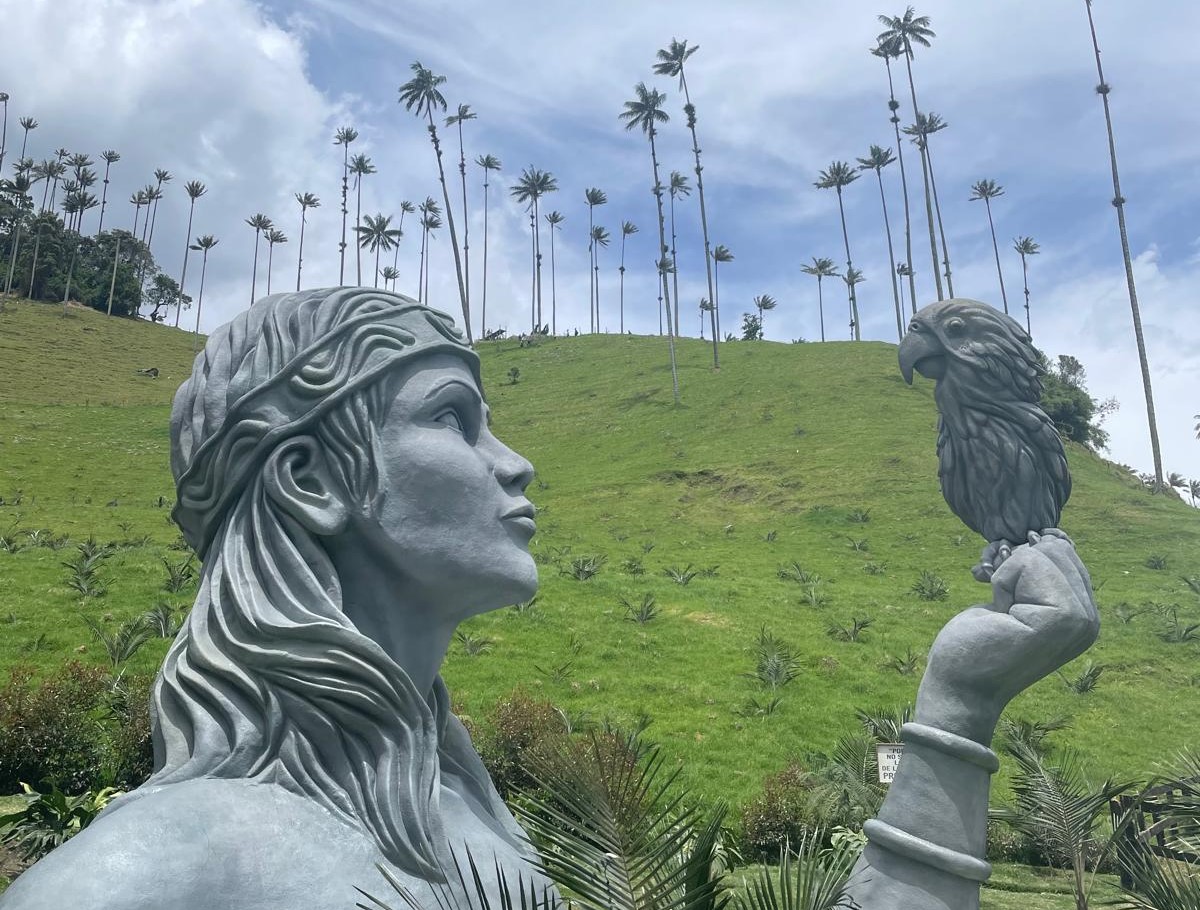
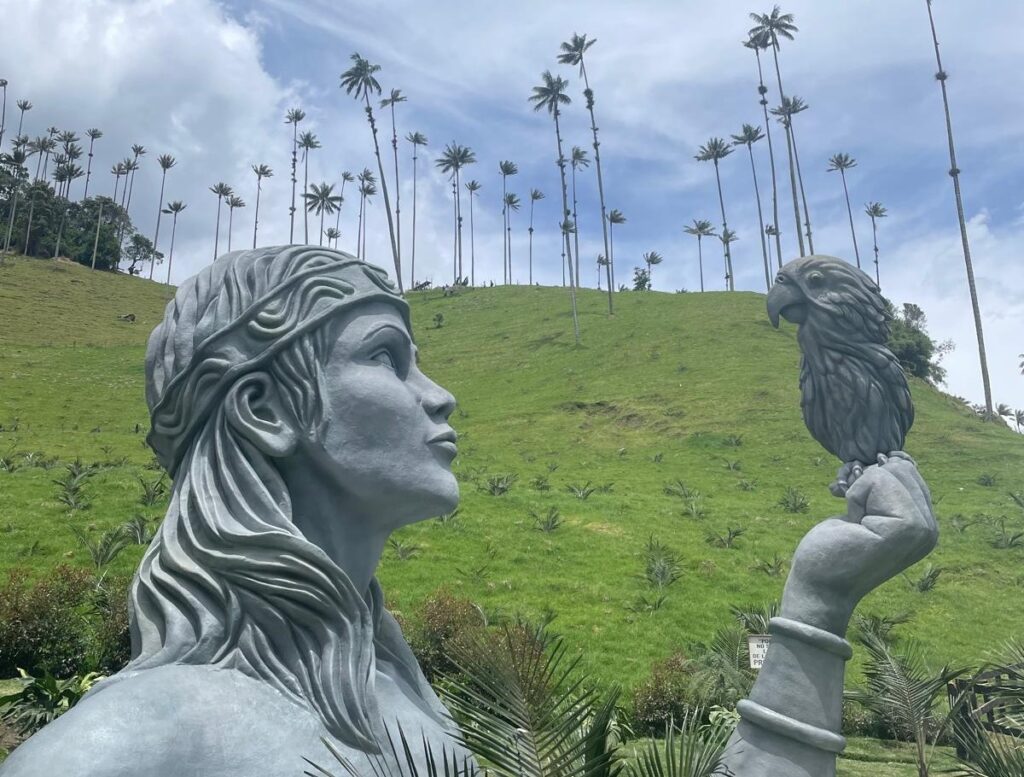
I took this photo Bosques de Cocora in Colombia and though it resonated with this blog.
1. Stress Reduction
Escape the Daily Grind
There’s something liberating about leaving your worries behind (even if it’s just for a short period of time). Travelling lets you step away from your daily responsibilities and routine, allowing you to immerse yourself in new experiences.
From the gorgeous white sand beaches of Bali to the tranquil mountains of Peru, choosing the right destination can do wonders for your stress levels and mental health.
When we’re stuck in our routine, stress becomes a constant companion. But as soon as we step onto that plane, train, or car, a weight lifts off our shoulders. Suddenly, the email inbox is someone else’s problem, and our most pressing concern is which local delicacy to try first.
I sometimes love to just picture myself sipping a cocktail on a sun-drenched beach while my email notifications blissfully go unanswered (or just pile up until I come back, haha). The sound of waves crashing becomes a soothing lullaby, washing away the worries of everyday life.
Exposure to different cultures and environments sparks creativity. Suddenly, your brain is flooded with new ideas and solutions to old problems. We often get stuck in a routine, from working a 9-5 job to just living for the weekend, so it’s always good to get out of that bubble even if its only temporarily. Travelling helps us think more and gets our minds more curious.
Exploring local art scenes, festivals, and traditions can reignite that creative spark in unexpected ways. In the summer of 2024, I spent time in Cali, Colombia, where I learned basic salsa moves and danced with the locals. I enjoyed every bit of it. If you’d asked me ten years ago if I would dance salsa, I’d probably have just laughed and not even given you the time of day for a response.
Travelling is like hitting the reset button on your brain and mental health. Every new sight, sound, and smell stimulates your mind, offering fresh perspectives and novel ideas. It’s no wonder so many artists and writers take to the road when they’re in need of inspiration.
Think about that idea you shelved years ago. A stroll through a Moroccan souk, with its vibrant colours and bustling atmosphere, might be just what you need to revive it. Every twist and turn in the market could spark a new story or concept.
3. Improving Social Skills
Making New Connections
Travelling can sometimes put you in awkward situations and kind of forces you to interact with new people (especially when you’re travelling solo), which improves your social skills and builds your confidence. I honestly feel that my confidence in communicating with people—whether friends, family, work colleagues, or strangers—would not be where it is today if I hadn’t travelled.
From hostels to guided tours, opportunities to make new friends and professional connections are everywhere. I’ve learned to become more polite, understanding, and to change my tone of voice depending on the person I am speaking to. This has helped me to interact with people and develop friendships.
In our comfort zones, we often stick to familiar faces and routines. Travelling shoves us out of that bubble and throws us into environments where we have to engage with strangers. This not only enhances our social skills but also boosts our confidence.
I once shared a meal with a local family in Thailand when my scooter broke down and they helped me fix it. That situation taught me more about human connection than a thousand social media likes ever could. I learned to communicate beyond language barriers, picking up cultural nuances and building empathy along the way.
4. Enhancing Emotional Resilience
Embracing the Unknown
Facing unfamiliar situations while travelling builds emotional strength and resilience.
Whether it’s dealing with a missed flight or navigating a language barrier, travel challenges are great life lessons in disguise. I once missed a flight to Boracay in the Philippines because my mate spent 20 minutes filtering an Instagram post. So, we last-minute decided to go to El Nido instead, which turned out to be one of my favourite islands (I did go to Boracay after, but I honestly preferred El Nido more).
Travelling is full of uncertainties, from unpredictable weathers to missed connections. Each challenge you encounter and overcome on your travels makes you more adaptable and resilient. You learn to go with the flow, an essential skill for maintaining mental health.
I’ve been in situations where I missed buses in the middle of nowhere and turned them into adventures of discovering hidden gems. Otherwise, I would have just been annoyed at myself, making the situation worse—and who wants that? These unexpected detours taught me to embrace the journey, no matter how bumpy it gets.
5. Finding Peace and Mindfulness
Disconnect to Reconnect
It’s hard for me to say, but at the moment, I’m addicted to scrolling through Instagram, and it got worse since coming back to the UK and one I got into my daily routine. Travelling helped me to unplug from the digital world and reconnect with myself and my surroundings.
Activities like hiking, yoga retreats (if that’s your thing), and city exploring can help you find inner peace.
In today’s hyper-connected world, it’s easy to feel overwhelmed by the constant flood of information. Travelling gives you a chance to unplug and be present in the moment. Whether it’s hiking through the Amazon jungle, meditating on one of those overpriced Bali retreats, or simply sitting in your hostel’s café watching the world go by, these moments of mindfulness can greatly enhance your mental well-being.
A silent retreat in the mountains might sound intimidating, but it could also be the most peaceful experience of your life. With no distractions, you can focus on your thoughts, feelings, and the beauty around you.
Conclusion
In summary, travelling is more than a break from the norm—it’s a powerful tool to enhance your mental health. Whether you’re escaping the daily grind, looking to boost your creativity with fresh perspectives, finding ways to improve your social skills by making new connections, enhancing your emotional resilience by embracing the unknown, or finding peace and mindfulness by disconnecting to reconnect, the benefits are endless.
Travelling allows you to step away from your routine, get into new experiences, and hopefully grow in positive ways. It teaches you to adapt, be resilient, and appreciate the beauty of the world around you.
So next time you’re feeling overwhelmed, consider booking that trip (especially if you’re in good health and have the time to do so). Your mind will thank you for it.
I’ve never been one to celebrate Christmas, but that’s more because of my upbringing as a Black Muslim than by personal choice. My dad, who was Muslim but not particularly religious, didn’t mind it. However, my mom, who became more devout after my dad’s passing, was against it. So, while I don’t celebrate it, I’ve always had a fondness for Christmas.
The Allure of Togetherness
Even though I don’t believe that Jesus was born on December 25th or in the obvious Santa Claus, I love the idea of “togetherness” that Christmas brings. That word gives me chills, as cheesy as it sounds, I know. I want the feeling of togetherness, even if its for a temporary time. Christmas (like any other festival) is a time when people come together, often travelling from afar, paying unreasonable amounts for flights just to be with family.
The Reality of Christmas Belief
I’ve rarely met anyone who genuinely believes in the religious aspect of Christmas. Most people seem to celebrate the idea of Christmas with a tree, gifts and a turkey rather than its religious roots. God knows why people put up Christmas trees, but I like the idea that people gather together to up gifts underneath it.
Gifts with Thought and Meaning
Who doesn’t love a present? However, the idea of an expensive gift seems pointless to me. I appreciate gifts that show thought and time – a photo, a journal with a bit of writing, a ticket to a theatre or concert. While I’d love an iPhone or a car (though who would gift a car?), a gift without thought is like offering me an oxygen tank when I can’t even scuba dive.
Appreciating Christmas Beyond the Celebration
So, what I’m trying to say is, appreciate Christmas because it’s more than just a celebration of Jesus’s birth (although there is just no way I believe that he was born on the 25th of December). It’s a time where people have the day off to enjoy it together, well unless you’re working and getting paid triple for choosing to work on Christmas.
I find that during Christmas, people are the most wholesome I’ve genuinely ever seen. It’s a time when niceness comes out, where love might genuinely exist, and people smile with meaning, even though they’re bundled up to keep warm.
Embracing the Spirit
Christmas, for many, isn’t just about religious observance or extravagant gifts. It’s about togetherness, warmth, and creating memories with loved ones. So, although I’m not Christian, I truly do appreciate the beauty of the moments spent around people you love. The holiday season serves as a reminder to cherish the people around us and to spread kindness and love.
Creating New Traditions
As a non-believer, you might feel left out of traditional Christmas celebrations, but that doesn’t mean you can’t create your own traditions. Whether it’s a special meal, a movie night, or a day of volunteering, there are countless ways to make the holiday season meaningful. Here are a few ideas:
Host a Friendsmas: Gather your closest friends for a festive celebration. It can be a potluck dinner, a game night, or even a themed party.
Volunteer Together: Use this time to give back to the community. Volunteering at a local shelter, soup kitchen, or charity can bring a sense of fulfillment and togetherness.
Explore Nature: Take a hike, go for a walk in the park, or visit a nearby nature reserve. Spending time outdoors can be a great way to reflect and enjoy the season.
Cultural Experiences: Attend a concert, visit a museum, or explore a new cuisine. Embrace the diversity of your community and learn something new.
Personal Reflection: Use the holiday season for personal growth and reflection. Start a new journal, set goals for the coming year, or simply take some time for self-care.
Addressing Common Questions
Why do some people celebrate Christmas if they’re not religious?
Christmas has evolved into a cultural holiday celebrated by many, regardless of religious beliefs. It’s a time for family, friends, and festivities, and the core values of love, kindness, and togetherness resonate with people from all walks of life.
What’s the significance of the Christmas tree?
The Christmas tree has pagan origins and was later incorporated into Christian traditions. It’s a symbol of life and renewal, often decorated to bring joy and light during the winter season.
Are there other holidays that emphasise togetherness?
Yes, many cultures have holidays that focus on bringing people together. For example, Diwali, Hanukkah, and Thanksgiving all emphasize family, community, and celebration.
The Power of Simple Gestures
During the holiday season, small gestures can make a big difference. Whether it’s a handwritten note, a homemade gift, or simply spending quality time with loved ones, the thought and effort behind these actions are what truly matter. Here are some ideas:
Handwritten Letters: Take the time to write heartfelt letters to friends and family. Expressing gratitude and sharing memories can strengthen your bonds.
Homemade Gifts: Crafting gifts yourself adds a personal touch. Whether it’s baked goods, handmade ornaments, or a custom playlist, these gifts show you care.
Quality Time: Sometimes, the best gift is your presence. Spend time with loved ones, engage in meaningful conversations, and create lasting memories together.
Conclusion: Finding Your Own Meaning
Christmas, for many, transcends its religious origins. It’s a time to celebrate love, kindness, and the joy of being together. If you don’t believe in Christmas, you can still embrace the spirit of the festivals and create your own traditions that reflect your values and beliefs.
Whether it’s through hosting gatherings, volunteering, or simply spending time with loved ones, find what makes the season meaningful to you. The essence of Christmas lies in the connections we forge and the love we share.
So, take what resonates with you from this reflection, and may your holiday season be filled with peace and love.
“The biggest adventure you can take is to live the life of your dreams.” — Oprah Winfrey
If you’re reading this, chances are you’re gearing up for a backpacking trip or dreaming about one. But let’s be real—self-doubt can creep in and make you question if you’re really cut out for this. Trust me, you’re not alone. Every traveller I met, from newbies to seasoned pros, faces those moments of hesitation and anxiety.
Alright, so I watched this Ted on self-doubt which gave me the confidence to put this blog together, cause I would like to say that I still have issues with self-doubt especially when it comes to interviews and starting a trip solo but I am learning to improve on it. I’m going to dive into how to recognise and tackle self-doubt, connect with other travellers, and embrace the challenges that come your way (even its not related to travelling).
By the end, I’m hoping you’d get some confidence to guide you and possibly even discover not just new places, but a stronger, more confident you.
1. Understanding Self-Doubt in Backpacking
Let’s start with the basics and talk about the obvious: self-doubt. It’s that annoying voice in your head that makes you question if you can really do this. Trust me, you’re not alone. Every person I know and spoken to about this, no matter how experienced, has felt it.
Self-doubt can come from all sides. Maybe it’s the fear of the unknown, like what the f*@K is around the next corner? Or maybe you’re worried because you’re not as experienced as you’d like to be. And let’s not forget about safety concerns—those can really mess with your head.
The first step to any problem is to recognise it. Pay attention to those moments of hesitation, the anxiety creeping in, and the negative self-talk. Once you spot these signs, you can start dealing with them.
Remember, self-doubt is just a part of life. It’s natural to feel it, especially when you’re pushing your limits. But understanding this can help you manage it better. So next time you’re out there, and that little voice starts whispering, tell it to take a hike or just take a hike.
2. Preparing Mentally for Your Backpacking Journey
Alright, let’s get real about getting your head in the game for any new change whether you’re learning a new skill or starting a solo adventure. Mental prep is just as important as packing your gear. I always start by setting some realistic expectations and goals. I wouldn’t dream of climb mount Everest when I’m struggling to run half a marathon—my plan is to always keep it doable and relatable.
I always tell myself “picture yourself smashing those challenges” and yes I sometimes speak to myself in third person. I visualise the positive outcomes, I remember doing this 4 day hike called the Salkantay trek to Machu Pichu in Peru and rather just thinking of reaching there, I enjoyed the views I have and the breaks I took. It’s all about building that mental muscle.
Before heading out, look to build a support network. Chat with friends or family or both if you’re fortunate enough about your plans and any worries you have. I kid you not when I say their encouragement was a massive confidence booster (although I’d never admit this to them). Plus, knowing you’ve got people rooting for you can make a world of difference when you’re out there.
So, get your mind ready, share your journey with your crew, and remember: you’ve got this.
3. Embracing the Challenges and Learning from Them
Let’s be real—unless you’re getting an all inclusive, travelling in general isn’t always a smooth sailing. Challenges are going to come up, but they’re also out best teachers. Instead of seeing obstacles as setbacks, think of them as opportunities to grow and build resilience. The amount of times I got lost or got ripped off is uncountable, I guess that’s probably on me but its bound to happen especially when taxi drivers or store owners see you as a foreigner, or better as a victim.
I met quite a handful of people in the morning whilst having my breakfast with a travel journal, so I decided to get one myself and not only have I found it to be a game-changer but also quite therapeutic. It helped me reflect on my experiences and track my progress. Plus, celebrating those small victories and milestones along the way can kept my mindset positive and my spirits high.
4. Connecting with Fellow Travellers
One of the best ways to is by connecting with other travellers, especially when you find out you guys have things in common and share the same humour (even better when they laugh at your jokes). Staying in Hostels, joining backpacking communities and forums to share your experiences and pick up some tips, one being Blackpacker (a community I’m building to help the BAME community start backpacking and having the confidence to do solo trips).
Making friends on the road can give provide emotional support and practical advice. Honestly, some of my best mates right now I’ve met whilst staying in Hostels a few years ago I was in Barcelona solo and next year I’m going to his stag in Croatia and his wedding in Italy!
So, don’t be shy about sharing feelings of self-doubt with those close to you; opening up can lighten the emotional load and help form deeper connections.
5. Self-Care and Mindfulness Practices
Taking care of oneself is key to managing self-doubt. Incorporate self-care and mindfulness practices into your routine. I honestly struggle to practice mindfulness and meditation on my own, so I’m currently using this app called Headspace which is helping guide me to stay grounded and present.
Its easy to lose track of yourself when travelling, you get caught in the holiday so much that you end not looking after your physical health but its important to so but eating well, staying hydrated, and getting enough rest. Find moments of peace and relaxation, whether it’s through yoga, reading, or simply soaking in the beauty of nature or sunshine. These practices can rejuvenate your spirit and keep you cantered.
Conclusion
Backpacking isn’t just about ticking off new places on a map; nor discovering who you are cause wtf does that even mean, its all about enjoying it, being grateful that you’ve got the opportunity to do so and if you learn more about yourself then it’s a f*@king blessing.
By tackling self-doubt and using even just one of strategies, you can turn your backpacking trip into an epic journey of self-learning and added confidence. Remember, every step you take is a step towards personal growth.
So pack your bags, embrace the adventure, and believe in yourself.
“Perhaps travel cannot prevent bigotry, but by demonstrating that all peoples cry, laugh, eat, worry, and die, it can introduce the idea that if we try and understand each other, we may even become friends.” – Maya Angelou
Traveling solo can be both exciting and nerve-wracking. No matter how many times I do it, I always ask myself: why the f*@k am I doing this, and why is no one doing this with me? But as I often tell anyone who will listen, the freedom to explore new places at your own pace, meet new people, and discover something new about yourself along the way is unmatched.
However, safety is paramount. I can’t say I’m the best at it, to be honest, but I have learned to stay more alert and wary of my surroundings. I read recently that 60% of solo travelers report feeling safer when they follow specific safety guidelines. I’m not sure where I belong in that bracket, as I sometimes follow them and sometimes don’t. So whether you’re a seasoned backpacker or planning your first solo trip, here are some essential safety tips that I’ve picked up myself and gathered from others, which I believe will help you stay secure and make the most of your journey!
1. Planning and Preparation
Before setting off, I always do some kind of research into the destination. I won’t say I dive deeply into it, mainly because I like going with the flow, but I do think it’s worth doing so. Here’s what I do either on the way to the destination or while I’m in the hostel before heading out.
It’s always important to know the local customs, potential hazards, and must-see spots, which helps me feel more prepared and confident. I usually ask the hostel staff or speak to someone within the hostel, hoping they know something or are up for exploring the area as well (which they usually are, otherwise what’s the point of being there, eh?).
It’s important to have some kind of itinerary, even if it’s not detailed. I get the main points together and share them with someone I trust, so they know my whereabouts. I usually add my location on my Instagram profile as well.
Packing essential safety gear and first-aid supplies also helps. I won’t say you need to go overboard with that, but some basics can go a long way. If you feel comfortable, carrying a whistle or a torch is a great idea. I also make it a point to learn basic phrases in the local language – it’s amazing how a simple “hello” or “thank you” can go a long way in connecting with locals and navigating better.
When it comes to packing, I always pack light (I don’t go overboard with clothing). I focus on versatility and essentials. A good backpack, comfortable walking shoes, and weather-appropriate clothing are non-negotiable. Since falling off a scooter (maybe more than once) and seeing others do the same, I’ve also started to pack a small first-aid kit with bandages, antiseptic wipes, and any personal medications I might need. Additionally, having a multi-tool, a flashlight, and a portable charger (a must-have, by the way) can be lifesavers in unexpected situations.
2. Staying Connected
Staying connected is crucial for solo backpackers. I keep my phone charged and carry a portable charger to ensure I can always reach out if needed – also make sure you carry the right plug socket for the country you’re going to! Reliable communication apps like WhatsApp, Instagram chat, or even Snapchat (I don’t use that, but I see a lot of Gen Z’s doing so) help me stay in touch with family and friends, providing them with regular updates. I mentioned it in my last blog, but honestly, don’t be stingy with buying a local SIM card or some extra data (especially if the journey is far). I also make sure to know the local emergency numbers and the nearest embassy, just in case.
One of the best investments I’ve made is in a local SIM card or an international phone plan. This ensures that I have access to data and can make calls without exorbitant roaming charges. I also realized recently that Google Maps has offline navigation, but there are other apps like Maps.me that have also helped me get around, even when I don’t have internet access.
3. Accommodation Safety Tips
Choosing accommodations with good reviews is a priority for me. I usually book through Hostelworld (my usual booking app of choice) and look for places with high ratings for safety, cleanliness, and, of course, the vibes. Once I arrive, I avoid sharing my accommodation details with strangers and use hotel safes or lockers to store valuables. This way, I can rest easy knowing my belongings are secure. I also make a habit of understanding the surroundings and familiarizing myself with emergency exits.
When selecting accommodations, it’s always an advantage to look for places that offer 24-hour reception and security. I usually stay at hostels, and it’s a great option for solo travelers, as they usually provide a social environment where I’m able to meet other travelers. However, I always read reviews to ensure the hostel has a good reputation for safety.
4. On the Move
When I’m on the move, staying alert and aware of my surroundings is key. I avoid traveling at night in unfamiliar areas and use trusted transportation options like registered taxis or ride-sharing apps. If I do get a taxi, I ensure that I use Google Maps just to make sure I’m going the correct way and not getting bumped for a higher price. I’ve only hitchhiked once when I was in El Salvador with a group of guys I traveled with for a few weeks, but I’m not comfortable doing it on my own to recommend it. I would steer clear of it for safety reasons. I also keep a map or offline navigation app handy, so I never get lost, even if I lose internet connection.
Public transportation can be a great way to get around, but it’s important to stay vigilant. I keep my belongings close and avoid displaying valuables like expensive cameras or jewelry. If I’m taking a long-distance bus or train, I try to book tickets in advance and choose reputable companies.
I wrote an early blog on travel experience of riding solo, where I’ve also listed some valuable information.
5. Health and Well-being
Maintaining my health and well-being is essential. Although I don’t have a filtered bottle, I always stay hydrated (with bottled water – can’t risk getting any kind of poisoning). I maintain a balanced diet and always have travel insurance ready (it is usually just in my emails, but I do have it saved as a PDF). Knowing the location of the nearest medical facilities gives me peace of mind in case of emergencies.
Staying healthy on the road involves more than just physical well-being. I make sure to take breaks and rest when needed, especially if I’m feeling overwhelmed or tired. Mental health is just as important, and taking time to relax and enjoy the journey can make a big difference. I’ll cover this more in a separate blog and update this section with the blog once I do.
6. Personal Safety Measures
Trusting my instincts has always served me well. If something doesn’t feel right, I don’t hesitate to remove myself from the situation. I have been in dodgy areas, but I try to stay alert and avoid risky areas and situations, especially at night. I’ve met people while backpacking who carry a whistle or personal alarm for added security, which I’ve always thought was a good idea and an added reassurance. Keeping my belongings secure and avoiding the display of valuables helps me blend in and stay safe. I also make copies of important documents like my passport and keep them in a separate place from the originals. If asked to show your passport, I would always show a photo through my phone first and avoid presenting the physical document.
One of the best pieces of advice I’ve received is to always have a backup plan. Whether it’s knowing the location of the nearest police station or having a secondary route to my accommodation, being prepared for the unexpected can help me stay calm and confident.
Conclusion
Solo backpacking can be a life-changing experience, filled with adventure and personal growth. I hope some of these safety tips are eye openers and they help someone to have a secure and enjoyable journey. Remember, preparation and vigilance are key to a successful solo adventure.
“Travel far enough, you meet yourself.” – David Mitchell
Backpacking isn’t just about ticking destinations off a list; it’s a journey that changed my life in profound ways. The experiences I gained while traveling helped me to grow as a person, giving me new skills, perspectives, and a deeper understanding of myself.
I have learned and experienced a lot when backpacking, so I decided to put together some key points that I think are worth noting (before I completely forget). I might even come back in the near future with a part 2 to this.
Here’s how backpacking transformed me and maybe it can help you as well if you decide to go ahead and do it or maybe you can relate if you have done it already.
1. Building Resilience
Traveling on a budget came with its fair share of challenges. Don’t get me wrong, my most recent trip was a sabbatical, so I had a bit more flexibility. But when I was in my 20s and in-between jobs, I learned I had to think quickly and act promptly; otherwise, people around me would’ve noticed me struggling (especially those cab drivers who take full advantage of your foreignness).
From missed buses to language barriers, every obstacle I overcame builded resilience. I learned to adapt, think on my feet, and handle unexpected situations with grace. This resilience is a valuable life skill that helped when I got back in the Western world, whether it’s speaking to managers, dealing with overcrowded London trains, or handling dirty looks I received for no reason.
So next time you’re in a foreign country where you don’t speak the language, and you miss your bus to the next destination. Instead of panicking, take a deep breath and figure out alternative routes. Maybe even hitchhike (although it’s easier said than done) or find a local who can help you. We live in a time where technology plays a massive part, so use your data or get yourself a local SIM card. Honestly, I’ve learned not be stingy with this; having data helps with those long bus journeys!
What I’m saying is, learn to stay calm under pressure and find solutions rather than stressing out, no matter how difficult the situation.
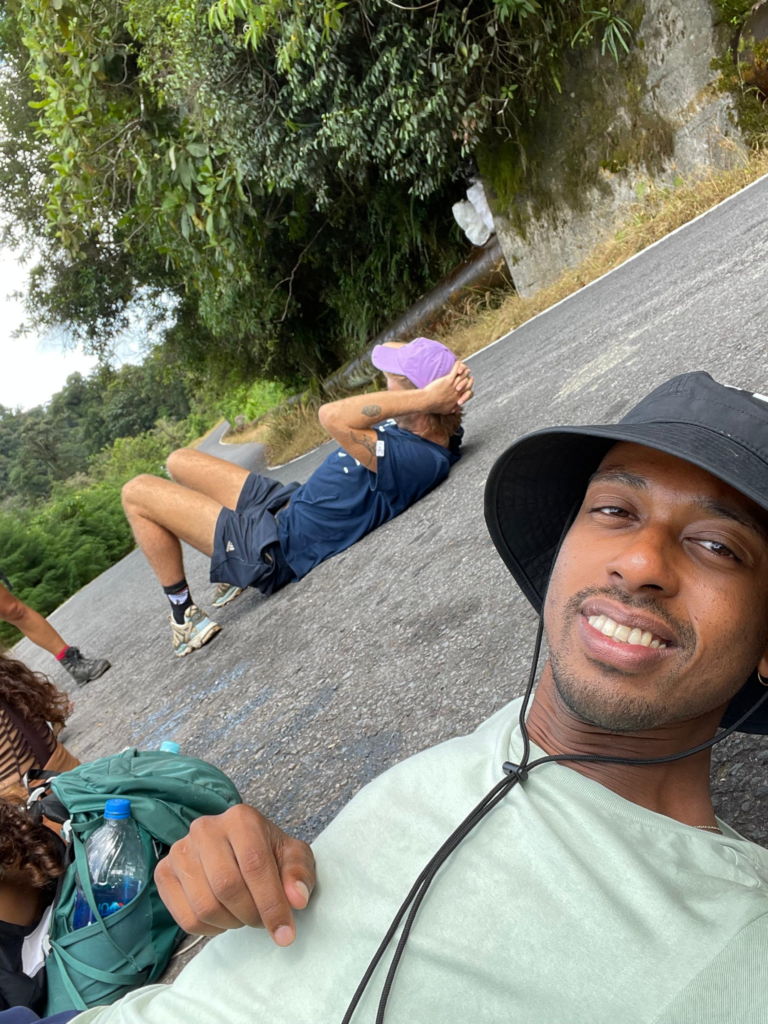
Heres a picture of me with a guy I only met a few hour prior lying on the side of the road waiting on the bus that arrived 4 hours late!
2. Enhancing Problem-Solving Skills
Backpacking requires me to solve problems on the go. Whether it was finding my way in a new city or figuring out how to stretch my budget, these experiences enhanced my problem-solving skills. I became more resourceful and creative, qualities that I found to be beneficial both personally and professionally.
I was in a position recently where I travelled for hours and arrived at my hostel late at night (about 1 am). Just when I thought I was going directly to bed, I was informed that they had given my bed to someone else and that there was no bed available until 3 pm that day. Rather than arguing, I decided to ask for alternatives. I knew the guy working there didn’t want to be working, especially at 1 am. I mean, who really wants to work at that time? Long story short, I ended up sleeping in a hammock (free of charge) and woke up grateful that I managed to get some shuteye and was mosquito bite-free. I also ended up becoming good friends with the guy, and he showed me around the city.
These problem-solving experiences, although they may seem small, can translate into better decision-making skills in your everyday life – resulting in meaningful relationships.
A picture of me waiting around for a few others for another bus but gaining good friends along the way and making a laugh out of it!
3. Gaining Independence
Traveling alone provided me with a sense of independence. I learned to rely on myself, make decisions, and take responsibility for my actions. This independence boosted my confidence and empowered me to take on new challenges in my everyday life.
When I was backpacking, I was in charge of my itinerary, budget, and safety. This responsibility taught me to trust my instincts and make decisions that are best for me (although not sure that’s always the case!). Over time, this independence led to more self-confidence and a stronger sense of self.
4. Understanding Different Cultures
Backpacking exposed me to diverse cultures, traditions, and ways of life. Interacting with people from different backgrounds provided me with empathy and cultural awareness. I gained a broader perspective on the world and a deeper appreciation for the richness of human diversity. Being in a country where I struggled to get by with only English helped me understand the struggle my parents faced when they arrived in England. It honestly made me appreciate them even more and the effort they put in to provide this life for me and my siblings.
When I stayed with a host family in a rural village in the south of Colombia it gave me insights into their daily lives, struggles, and joys. These experiences helped me understand and appreciate different cultures, making me more empathetic and open-minded.
5. Practicing Mindfulness
The simplicity of backpacking encourages mindfulness. Without the distractions of daily life, I learned to fully immerse myself in the present moment. Whether it was watching the beautiful colours of a sunset, hiking an active volcano in Guatemala, or enjoying a meal with people I just met in the hostel, these moments of mindfulness brought me a sense of peace and fulfilment.
When I was backpacking, I tried my best to always live in the moment, appreciate the beauty around me and the experiences I’m having. This mindfulness helped to achieve a better sense of inner peace and contentment, which I’m hoping I can carry to my everyday life.
Question is, what does mindfulness mean to you? And how would you picture it?
6. Reflecting on My Life
Traveling provided me with ample time for personal reflection, especially during those long hours on a bus when crossing boarders. There’s only so much Netflix and reading you can do. Away from the hustle and bustle of daily life, I had the space to think about my goals, values, and what truly matters to me. This reflection led to personal insights and a clearer sense of direction in life.
I remember sitting at the top of a mountain in Guatemala after hiking for 12 hours, by a campfire, trying to watch the stars. I found myself contemplating my life’s purpose and what I want to achieve. Although I didn’t find all the answers, it did give thinks to think about and it definitely helped me with my sleep!
What I’m trying to say is that these moments of reflection can lead to a deeper understanding of oneself and one’s aspirations.
7. Making New Connections
I kid you not when I say backpacking is one of the best ways to meet people from all walks of life. The connections I made on the road has been incredibly enriching. Sharing experiences with other travellers and locals lead to lifelong friendships and a global network of contacts – I’m actually going to a wedding next year in Sicility on which I met the groom travelling solo in Barcelona!
Connections like these provide support, companionship, and a sense of community, even when you’re far from home.
8. Boosting Confidence
Successfully navigating the challenges of backpacking boosted my confidence. Each new experience, from navigating through Sao Paulo, Brazil to white water rafting in San Agustin, Colombia helped my self-assurance. This newfound confidence positively impacted all areas of my life, from my career to my personal relationships.
Just to add on the above, if you were to ask me 10 years ago to go on a 5 day hike, I would honestly to tell you quire rudely with swearing to get out of here but not only do I love it now, I successfully completed a numerous challenging treks, where I felt a sense of accomplishment and confidence in my abilities. This confidence helped to translate into greater self-assurance in my everyday life.
9. Learning to Live with Less
Backpacking taught me to live with less. I carried one 40l backpack for about 6 months! I learned to prioritise what’s truly important. This minimalist approach lead to a more intentional and fulfilling lifestyle, even after I returned home.
When I limited to what I can carry, I quickly realized that I didnt need much to be happy. This realization lead me to a more minimalist lifestyle, where I focused on experiences and relationships rather than material possessions.
10. Inspiring Lifelong Learning
The curiosity and openness that come with travel inspired me with a love of lifelong learning. Whether it’s picking up Spanish (even though I’m terrible at it), to learning about history, or trying new foods, the experiences I gained while backpacking ignited a passion for continuous learning and personal growth.
I found myself fascinated by the history of a place I visit, one trip that stuck for me was El Salvador – I learned a lot from this 20-year-old tour guide and he escaped the gang violence to how the country became one of the safest in Latin America.
This love of learning can enrich your life and keep your mind active and engaged.
Conclusion
In summary, backpacking is more than just an adventure; it’s a experience that can lead to personal growth. The skills, insights, and connections I gained (on which you can to) on the road has enriched my life in countless ways. I also wrote a blog that can be seen as another version of this when I was younger and started travelling solo, check it out!
So, pack your bag, embrace the journey, and discover how backpacking can transform your life!
Travelling solo can change your view on life. I never had the chance to backpack until I was 24. My first trip was with a friend I met while volunteering in Zambia. Backpacking with a friend helped me learn the basics. I met many solo travelers along the way. Two years later, I traveled solo to Brazil for a few weeks. I learned a lot during that trip. This post is for current and future solo travelers looking for a kickstart or some advice.
Finding your own rhythm and what makes you tick might be difficult when you’re stuck in a routine. But it’s exciting and nerve-racking when you’re solo. Here are some reasons why.
Teaches You Independence
I used to rely on others or seek approval for decisions. I was a “Yes Man,” always agreeing to activities my companions wanted to do, even if I didn’t. Traveling solo makes you more independent. It teaches you to enjoy your own company and make your own decisions, whether it’s choosing the next place to visit or the restaurant to eat at.
Tip: Start small. Take a day trip to a nearby city to get comfortable with being on your own.
Teaches You Problem-Solving
Traveling solo pushes you to solve problems on your own. You’ll learn to tackle issues without depending on anyone. You’ll become more creative, whether it’s picking up words in a different language or finding the best route to your next destination.
Tip: Always have a backup plan. Research alternative routes and accommodations just in case.
Complete Financial Control
You control how you spend your money. Traveling solo gives you the freedom to spend on what you want, whether it’s a fancy hotel or a scuba diving course. I recommend using a digital bank like Monzo or Revolut. They help you manage money better and offer good exchange rates.
Tip: Set a daily budget and track your expenses to avoid overspending.
Boosts Your Confidence
Traveling solo can be seen as a brave endeavor. I remember asking myself many questions before my first solo trip: Why am I doing this? Will I meet anyone? Will I enjoy being alone? Is this the right time?
It can be lonely and discomforting without support. You can’t be completely prepared for what will happen, but you can research your destination, where to stay, activities, culture, and language. Being able to handle situations on your own will boost your confidence.
Tip: Join local tours or group activities to meet new people.
Improves Mental Health
Exploring a new destination can do wonders for your health and well-being. Traveling is a good stress buster. It helps you leave daily struggles behind, even if it’s for a short time. Traveling solo can help you reinvent yourself, reduce technology use, and explore new cultures, foods, or activities. I found that even though I’m terrible at surfing, I enjoyed the waves and it kept me focused. I read this blog recently that resonated with me by gvi, it mentioned 7 ways travel can benefit your mental health and I honestly agree with all 7.
Tip: Practice mindfulness and reflect on your experiences. Journaling can help process your thoughts and emotions.
Explore the Inner You
As a solo traveler, you can learn more about yourself in a short period abroad than you have working at a desk for months. When you venture alone, you’ll learn how to spend your time, what you care about, and possibly pick up new skills.
A journey starts with many adventures. I’ve learned to be more open-minded and gain new skills. Traveling with friends and family brings comfort and shared memories, but traveling solo might help you find yourself.
Tip: Embrace the unknown and be open to new experiences.
Go with the Flow
Keep it chilled or fast-moving, go with the flow or plan things by the hour. Your schedule is yours to decide. Life becomes predictable when you’re working late, working out, or spending time with loved ones. Learn to change and find what works for you.
Traveling solo, you’ll have time to grab a double chocolate fudge ice cream, sleep late, read another chapter in your book, or spend more time in a restaurant. Going with the flow might not be easy when you’re living for the weekend, but it can be when traveling alone.
Tip: Allow yourself to be spontaneous. Some of the best travel experiences come from unplanned adventures.
Be Bitten by the Travel Bug
Traveling is an addiction. The first step is always the hardest, but once you start, you’ll soon be flying. Traveling is a never-ending experience and a special kind of enjoyment.
Tip: Keep a travel journal or blog to document your adventures and inspire others.
Finishing Words
Traveling solo is easier said than done. My first solo trip happened because a friend dropped out last minute and another wanted to reschedule. It’s easier to travel with friends, and there’s nothing wrong with that. But the world is too big, and life is too short to keep rescheduling and depend on others. Time is of the essence, so let’s make it count.
The UK might not have the highest mountain in the world or even in Europe but it sure has breath taking views. The UK, the birthplace of Shakespeare and The Beatles, has more to it than culture and music, but also extraordinary nature. Ranging from mountain hikes to historical walking routes, along coastal cliffs or just a scenic detour, the UK will have you fall in love with Mother Nature.
Hiking is the ultimate outdoor exercise, putting nature and fitness together to bring out a whole different meaning to the term workout. For those that have a fitness app and are counting your calories burning (like myself): one mile of hiking burns approximately over 500 calories (which is pretty awesome).
As we know, England is known for its rainy days, so packaging good and checking the weather prior is always a good idea! This post will give you the best places to go hiking in the UK, whether you’re looking for something challenging or an easy stroll to make amazing memories and take great photos. This leaves us with the million dollar question, which hike would you choose?
St Ives to Zennor, Cornwall, South West England
Timing: 4 hours Distance: 7 mile
A beautiful walk down the coastal path of St Ives to Zennor, a popular route for hikers or those looking for a lovely walk, although some parts of the route can be tricky with some clambering over rocks. This route provided extraordinary views of the sea the entire way along you would think you’re in the Caribbean! This section of the South Coast follows the ins and outs of the inlands and headlands having you experience life on the edge.
Starting your route from the west side of Porthmeor Beach, St Ives. The walk can be commenced climbing up rocks from the beach or following the path around, further down the route you might have to tackle some up and down but don’t let this distract you from the view. As you approach Zennor you’ll be tackled by large boulders making it a great experience and good chat at the local pub. There are busses from Zennor back to St Ives for those considering a seated journey to relax and observe out the window.
I recommend a bite to eat prior to the journey from any of the lovely pasty shops down town or even better grab a takeaway and enjoy it somewhere up the coast overseeing the sea and if lucky have the opportunity to see a shark.
Scaffell Pike, Lake District, Cumbria, North England
Timing: 3-5 hours. Distance: 7 miles
The highest mountain in England, at 978m, makes this a must climb mountain on most hikers “to do list”. It also has extraordinary views and is known as a war memorial, cared for by the National Trust. Scaffell Pike is very popular with charity events and is part of the popular Three Peaks Challenge[AA4] which also includes Snowdown (1085m) and Ben Nevis (1345m).
Scafell Pike is located at Lake District, North West of England, an area well known for its stunning scenery and wonderful hikes. It is recommended that you set out in the morning (a little before 10am) to give you enough time to arrive back down for lunch.
There are a few different routes up the mountain, but the shortest and most popular one is from Wasdale Head, which is a route that the majority take – and not just for the free parking which is available. The walk starts with a wander alongside the river, (therefore its near enough impossible you’ll make it with dry feet so a good pair of walking shoes goes a long way.. literally) leading to views of stunning valleys, lakes and mountains.
Scaffell Pike is a popular climb, so I would recommend the following:
Starting early to avoid the crowd and finding car parking space.
Climbing during the summer for good weather and avoiding the atmospheric fog
Travel light with minimal people (hard to keep track of a large group when ascending).
Stick to the recommended paths provided, to avoid getting lost and damaging the landscape
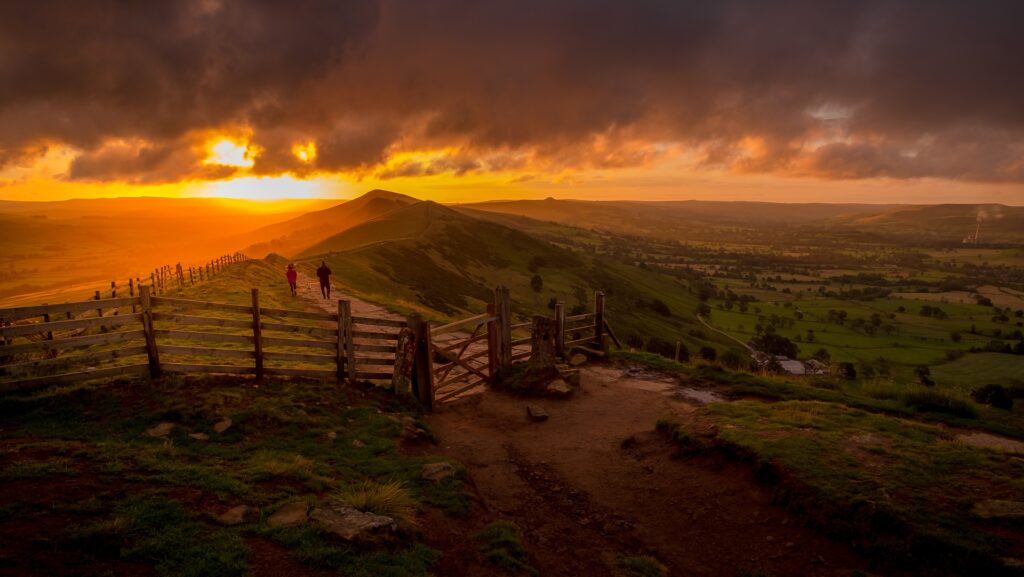
Mam Tor, Peak district, North England
Timing 1-2 hours. Distance 5mile
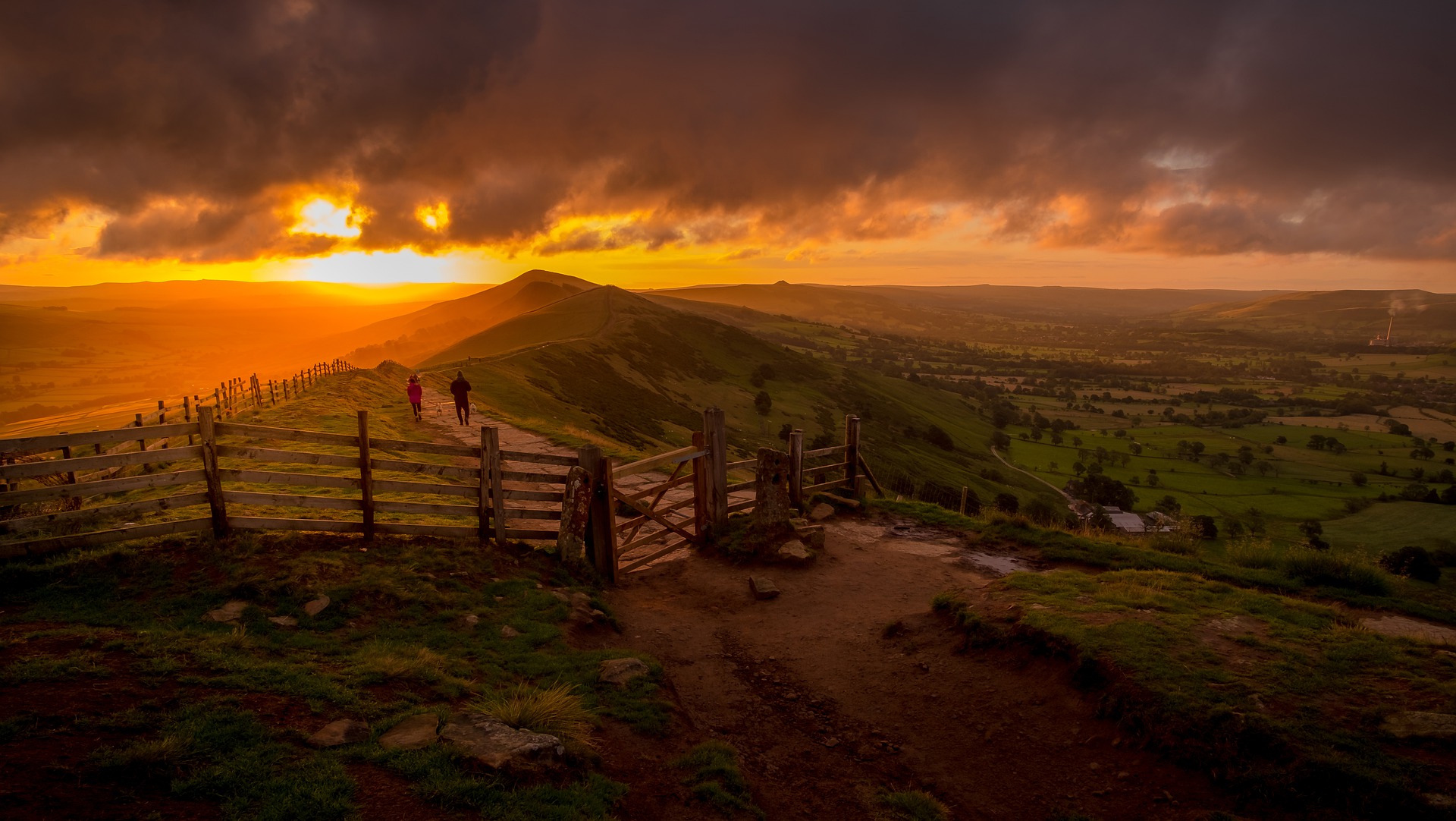
Those travelling from London with limited time on there hands might prefer travelling to Peak District rather than Lake District due to the nearer distance. Don’t let this sadden you, Peak District [AA5] is the first national park created in the UK and stretches to more than 1,800miles, providing extraordinary hiking locations for those looking for a hilly adventure or scenic walking destinations.
Those looking for stunning views and a good old-fashioned walk would enjoy the 5mile stretch to the top of Mam Tor [AA6] (which originated from the term Mother Hill) and known by the locals as the “The Shivering Mountain”, one of the most popular walks in the region. This iconic mountain standing tall at 517m sits on the edge of the Dark Peak and the White Peak and the gorge at Winnats Pass.
This well organised path with solid foundations makes it easy to navigate your way around, keeping in mind works within this vicinity has been going on since the Bronze Age! Making it possible to during the warmer and colder days. If you have the time take a detour from Mam Tor to enjoy Castleton and visit the caves such as Cliff Cavern, Blue John Cavern, and Peak Cavern.
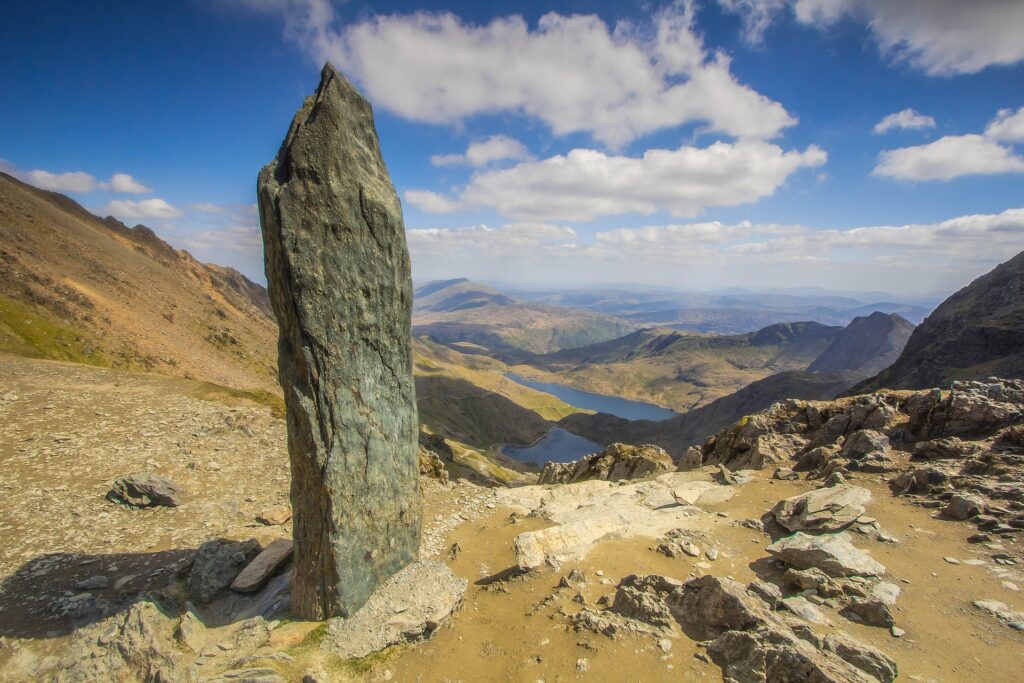
Snowdon, Snowdonia, Wales
Timing: 5-7hours. Distain 8miles.
Snowdonia National Park may not be the largest National Park in the UK but it sure has the largest lake in Wales and it has Snowdon, the largest mountain in both England and Wales. Snowdonia[AA7] , where you can find paths to lead you towards mountains, lakes, rivers, estuaries, ancient woodland, historical built villages and so much more.
The Miners track which was originally built to carry to carry copper, is the most popular route. The 8 mile route starts by Pen-y-Pass car park and eases its way up through the gravel path providing a scenic journey of Snowdonia’s nature. The route starts with views of lakes and carefully laid out stone to eventually a tougher path of larger rocks and a higher gradient but no need to worry as no hands are required!
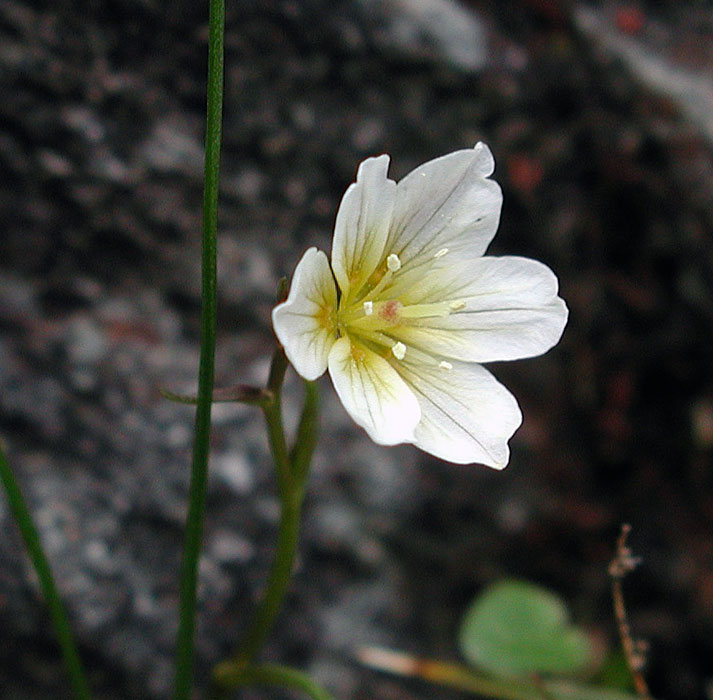
Interesting fact: You can find a rare flower on Snowdon, The Snowdon Lily. Classified as London rarest plant is an Arctic–alpine flower of the lily family.
Yorkshire Three Peaks, Pennine Range
Distance: 24miles Time: 11-12 hours
If you’re looking for a challenge, look no further than the 3 peaks \of Yorkshireis, taking on Pen-y-ghent, Whernside and Ingleborough (usually in that order), located in Yorkshire Dales National Park, includes a walk that ascents over 1600m, classifying it as a tough hike.
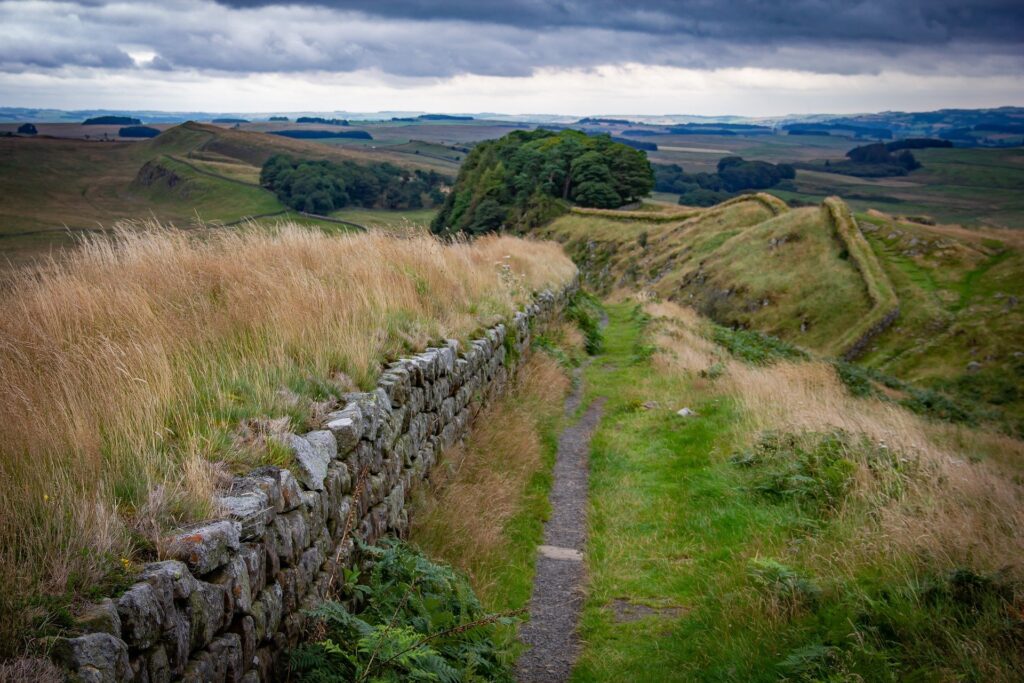
Hadrian’s Wall Path (Chollerford to Birdoswald), Northumberland and Cumbria
Distance: 23miles Time: 6-8 hours.
One of Britain’s ancient and spectacular monuments, spanning approzimately 84miles! Originally built by the Romans to separate them from the “barbarian” Scottish Picts. Now classified as part of UNESCO World Heritage Site[AA9] .
The most popular (and best section) to walk in this path is the 20-mile stretch between Chollerford to Birdoswald Fort. This path is hilly, with high gradients but the outcome is surreal leading to views of Pennines and Lake District. This path is worth doing over a weekend and make sure to visit (if you have the time) the Roman Army Museum at Carvoran.
Lulworth Cove to Durdle Door Hike
Timing: 2hours. Distance: 1.5miles
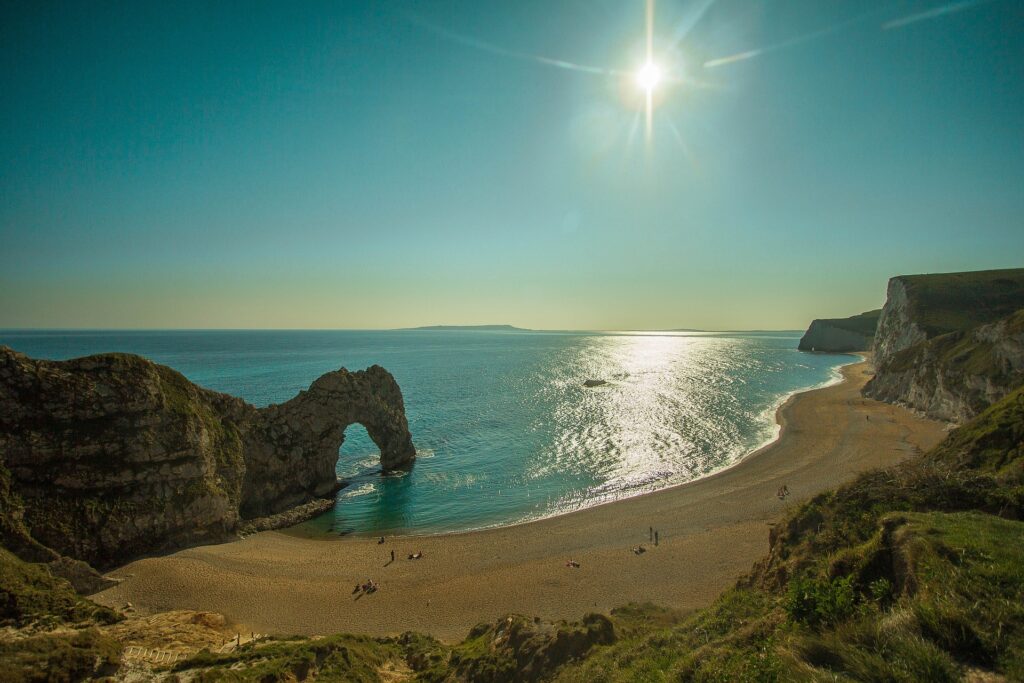
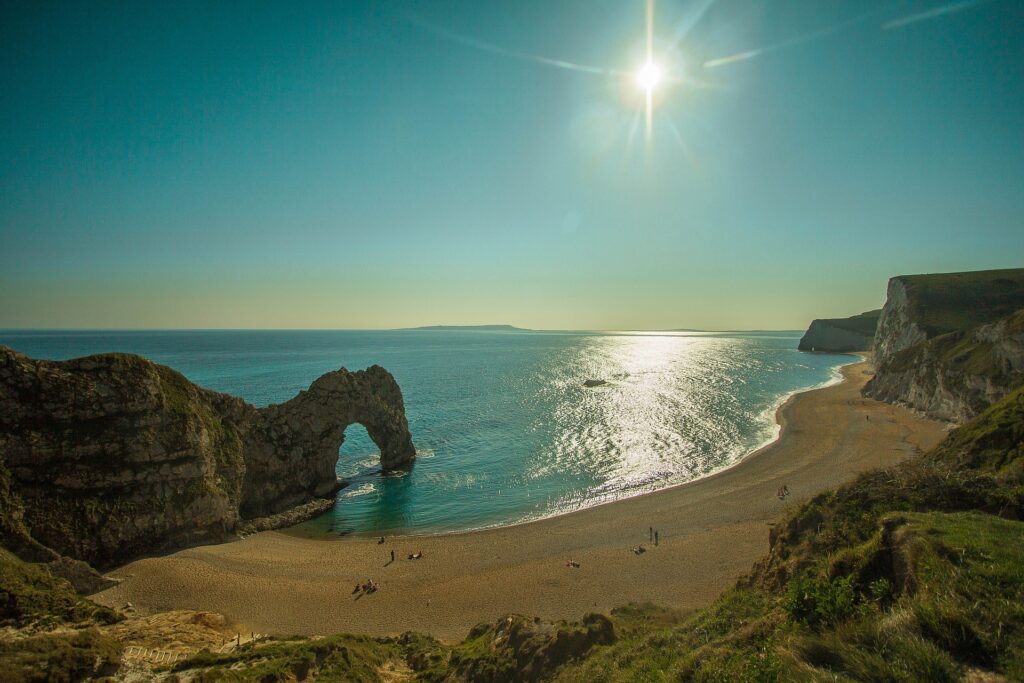
Durdle Door a beautiful rock formation and one of Dorset’s iconic landmarks. It is part of the Jurassic Coast UNESCO World Heritage Site[AA10] . Lulworth Cove, a beautifully horseshoe shaped beach caused overtime by the forces of the sea and also part of the Jurassic Coast.
A weekend away to Lulworth Cove makes it a perfect gateway, the 1.3mile walk commences from Lulworth Cove car park rising gradually to the top of the cliffs to Durdle Door. During the walk you’ll be able to view beautiful limestone cliffs from a distance, secret beaches within coves and field with stretch for miles, making it a unique walk like no other.
Within 30-45mins you’ll find yourself emerging over the five-star image of the natural arch of the Jurassic Coast, formed from erosion by the sea and winds over time. Then you can decide whether you want to stay on top of the cliffs, or head down to Durdle Door Beach to look up on the cliffs, o if you’re feeling spontaneous you can take a jump in the water!
West Highland Way – Scotland
Distance: 96miles. Time: 5-10days (averaging 7 days for most)
The West Highland Way is well recognised as not only one of the best hikes in Scotland but in the UK, the beauty of the West Highland Way is on a different kind of level. It goes through some of the most iconic landscapes in the Scottish Highlands from Milngavie, north of Glasgow, to Fort William.
The West Highland Way is a serious hike that runs at 96mile so its good to have hiking experience under your belt as you will most likely experience rough weather on rocky terrain.
The hike usually takes a max of 10 days, although most people tend to finish it in a week. This hike can be split to sections for ease. The most rewarding route within the sections is the toughest route, this being Kingshouse to Fort William at 22miles finishing by stunning mountain Ben Nevis. Those interested in breaking the trips in segments, can follow the guide to here; Hiking in Glasgow.