Tag: Mindfulness

  • 6 Ways to Empower Solo Journeys for BAME Travellers

    6 Ways to Empower Solo Journeys for BAME Travellers

    “Man cannot discover new oceans unless he has the courage to lose sight of the shore.” – André Gide
    Ever feel like you just want to break free from your daily routine and travel—but the idea of going solo feels a bit daunting? As I get older, I’ve noticed that yes, I might have a little more change in my pocket, but finding the time to actually spend on trip abroad isn’t quite working out the way I imagined it. Those classic 9-to-5 hours don’t help much either, especially when I’m typically in the office earlier and clocking out later—essentially doing more than the standard grind! But hey, that’s London life for you.

    Here’s the thing: as life moves on, coordinating travel plans with others becomes harder. Timing doesn’t always align, and life has a sneaky way of piling on responsibilities—kids, mortgages, savings, and the endless “adulting” checklist. Plus, let’s be honest: the older we get, the fewer people around us are itching to travel. Sometimes, you and your friends might chat endlessly about holiday plans, but somehow, those dreamy ideas never make it past the WhatsApp group or whatever messaging app happens to be the flavour of the year.

    And for any BAME traveller, there’s another layer to consider. Whether it’s navigating new places as a minority or the extra prep (because let’s face it, representation in travel isn’t all that), it can feel like a bigger leap. But trust me, travelling solo as a black person is next-level empowering.

    Ditch the Excuses and Book It

    Got the time, health, and money to do it? Then stop chatting about it and just press the button. The second you secure those flights, the game changes. You’ve got no choice but to figure the rest out—and yes, it might feel like “hard work”, but trust me, you’ll come out on the other side a more grateful person and having less regrets.

    Book unforgettable experiences and attractions with Tiqets.

    Find the best flight deals and accommodations on Expedia UK.

    Life’s Curveballs: How Travel Teaches Resilience

    Think missed flights, lost bags, or turning up to a place where not a soul speaks your language (and you’re armed with GCSE-level Spanish at best). It’s nerve-racking but also hilarious in hindsight. Each mishap teaches you to think on your feet, solve problems, and—most importantly—laugh at yourself. Classic travel life throws? These are pure gold comedy and it helps building resilience. For more on embracing the unexpected while traveling, check out my post: Embracing the Unknown: My Takeaway for Travellers
    .

    Plan budget-friendly and sociable stays with Hostel World.

    BAME and Bold: Making Your Mark in the World
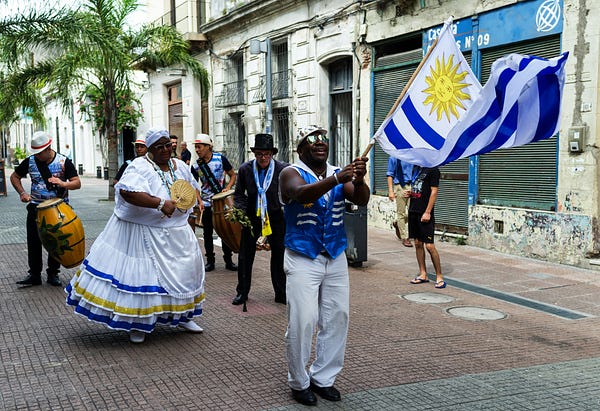
    For Black, Asian, and other minority travellers, exploring the world can sometimes feel like you’re rewriting the rules. You’re not just traveling—you’re proving that the globe isn’t reserved for one type of person. Engaging with locals, immersing yourself in the culture, and representing your community? Now, that’s fricken powerful.

    From Culture Shocks to Confidence Boosts

    Ordering street food in a language you don’t speak? Trust me, it’s a humbling (and often hilarious) experience that’ll leave you with a brilliant story to tell. Diving into the customs, cuisines, and quirks of other cultures doesn’t just expand your palate—it expands your perspective on life itself.

    Explore immersive cultural experiences with WeGoTrip.

    The Quiet Power of Going Solo

    There’s a kind of confidence you gain from figuring it out solo, one awkward moment at a time. Whether it’s navigating an unfamiliar city, trying salsa dancing in Havana, or haggling in a bustling Marrakesh market, every little win adds another layer to your confidence. And let’s face it—there’s nothing more satisfying than proving to yourself that you’ve got this.

    Stay connected wherever you go with affordable eSIM solutions from Airalo.

    Document the Glow-Up

    Don’t let the memories fade into the abyss of your mind. Grab a journal, snap some pics, vlog it if you like—capture it all. Documenting your journey lets you reflect on how far you’ve come and, honestly, might just inspire someone else who’s on the fence about traveling solo.

    Final Words

    The world’s isn’t going to stop for, so just that step outside your comfort zone and as cheesy as it sounds it helps to discover better version of yourself. Don’t let overthinking clip your wings—book the trip, take the leap, and embrace the adventure. You’ve got stories to write and memories to create, so go out there and make it happen.
  • Travel Green: Your Guide to Sustainable Adventures

    Travel Green: Your Guide to Sustainable Adventures

    “The first step to responsible travel is giving back to the places we visit.”  – Lauren Groff

    How to Become a Sustainable Traveller

    Travelling brings out the best in us, but as cheesy as it sounds we should really be focusing on what’s best for our planet, although it can be difficult (especially knowing there’s multi-millionaires out there that choose to get a flight from the states to France for a piece of cake).

    Imagine free diving into a cenote in Mexico, partying in the streets of Rio de Janeiro, or visiting the pyramids of Giza—all while being a sustainable traveller (cough cough, I have). Supporting local economies, protecting wildlife, avoiding plastic, and reducing our impact on the planet are just a few of the many ways to make this happen.

    The global population is growing, and with that growth comes an increased demand for the earth’s resources. In my travels to developing countries, I witnessed the struggle some people face, highlighting the unfair distribution of consumption and wealth. The World Bank states in the More than thirty percent of the world continues to live in poverty with limited access to food, water, or energy.

    Sustainable travel is not only beneficial for the planet but can also save you money. I always go by the motto, “live like a local, travel like a local.” Here’s how you can do it:

    What is Sustainable Travelling?

    Before combining these two terms, let’s understand what “sustainable” means. I first encountered “sustainability” at university, where it plays a huge role in the construction industry (I studied Civil Engineering in case you wondered why construction). To me, sustainability is about living in a way that does not affect future generations.

    Sustainable travelling means being responsible for your actions, being culturally sensitive to locals, and maintaining the natural environment without harmful impact. Sustainability plays a part in every industry, including tourism. While not all of us are burning fossil fuels like Drake did celebrating the Toronto Raptors’ victory, we should be aware of the pollution caused by traveling and how it affects wildlife, local people, the environment, businesses, and local culture.

    Ways to be a Sustainable Traveller

    1. Eat Like a Local

    • Support the Local Community: Invest in the local economy by buying local food. Trust me, local cuisine is often the best! When you eat at local restaurants or food stalls, you’re not only enjoying delicious and authentic dishes, but you’re also contributing to the livelihoods of local families and small businesses.
    • Embrace Local Street Food: Don’t be afraid to try street food (with caution of course). Some of the best dishes I’ve had were from street vendors, this got reminiscing 2am in Bangkok. Be adventurous, but if you’re cautious, start with vegetarian options and observe the hygiene practices of the vendor, especially the water!
    • Shop at Local Markets: Buy food grown locally. This reduces your carbon footprint and supports local farmers. Shopping at local markets can be a delightful experience where you discover unique produce and interact with locals.

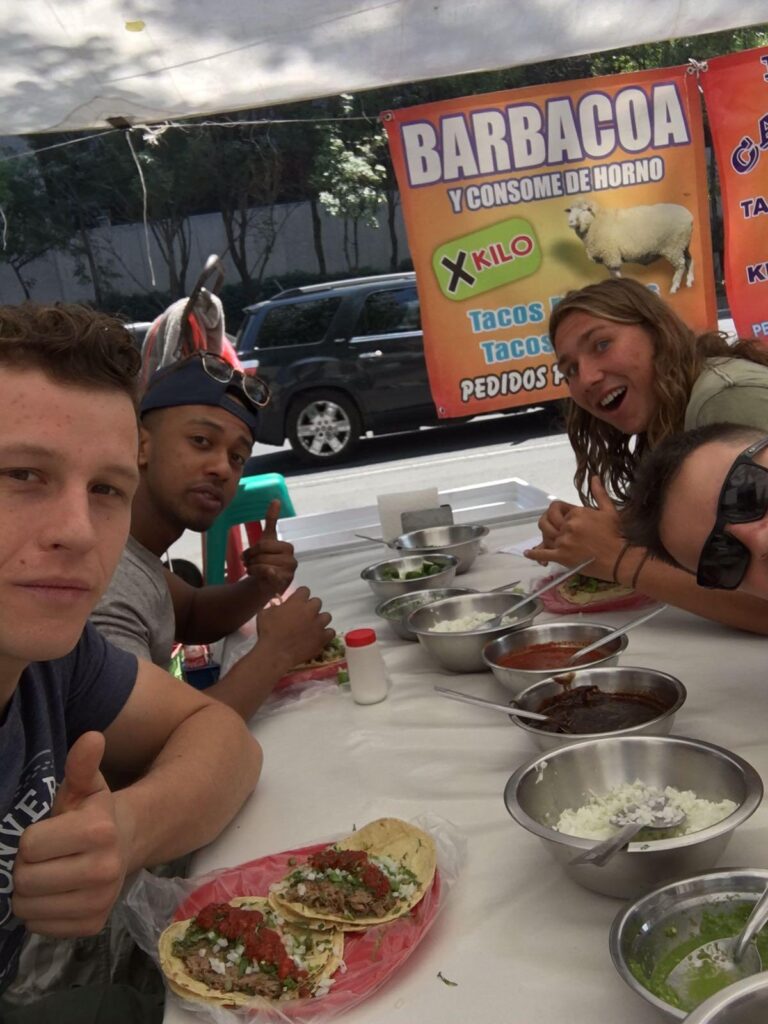
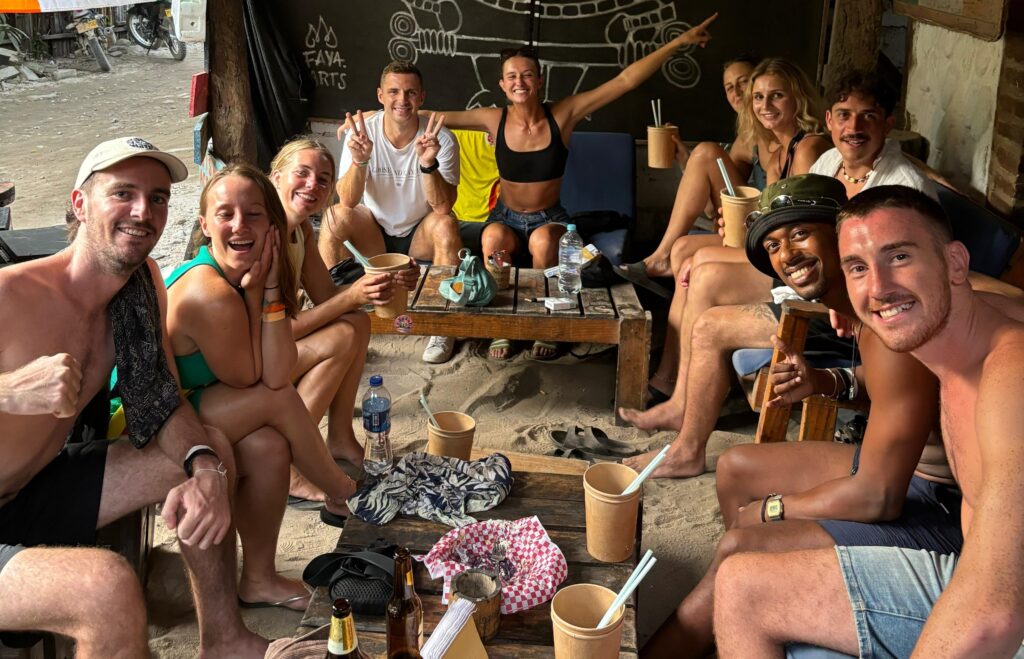
    Somewhere in Mexico, I’m guessing Tulum in 2018. Before it became as touristy as it is now! Btw Im the guy with the hat

    2. Travel Sustainably

    • Research Your Journey: Use technology to find the most sustainable travel options. Public transport, especially trains, is usually a great option. Websites and apps can help you plan eco-friendly routes and compare different modes of transport in terms of their environmental impact. For great deals on attractions and activities, check out Tiqets to book seamlessly and support sustainable tourism.
    • Choose Direct Flights: Though more expensive, direct flights reduce carbon emissions by minimizing takeoffs and landings. If you have to take a connecting flight, choose layovers that allow you to explore another destination without significantly increasing your carbon footprint.
    • Enjoy the Journey: Travel on the ground more to reduce carbon emissions and enjoy the scenery. Consider slow travel, where you take your time to explore a region in-depth rather than hopping from one place to another quickly.
    • Pack Smart: Take only what you need. There are laundromats everywhere, and supporting them helps the local economy. Packing light also means you’re not contributing to excess baggage, which can increase fuel consumption on flights.

    3. Live Like a Local

    • Choose Eco-friendly Accommodation: Hostels are great for socializing and are usually more environmentally friendly. If you prefer hotels, choose ones with good environmental practices. Look for accommodations that have certifications for sustainability, such as LEED or Green Key.
    • Engage with the Community: Take the time to interact with locals and learn about their culture. Participating in local activities and supporting community-based tourism initiatives can provide you with unique experiences while contributing to the local economy. For attractions and activities that align with these values, consider booking through Tiqets.
    • Recycling: Check if your accommodation has a recycling program. If not, encourage them to start one (although I completely get it you feel this might be overstepping). My preference is just to reduce waste by carrying a reusable water bottle (preferrable now filtered as I would rather not get ill), a small backpack for any shopping, and utensils.
    • Ask About Sustainability Initiatives: Inquire about solar power, energy-saving lights, and other eco-friendly practices. Choose accommodations that are committed to reducing their environmental impact.
    • Share Your Experience: Talk about your sustainable travel practices with others. It helps spread awareness and makes you sound like a seasoned traveller. Sharing your stories on social media and travel blogs can inspire others to travel sustainably.

    4. Connecting to Smart Travel Options

    Use websites like ecopassenger.org to compare travel routes based on their emissions. Additionally, look for apps that help you track your carbon footprint and provide tips for reducing it while traveling. And for a seamless booking experience that supports sustainable tourism, don’t forget to check out Tiqets.

    For more tips on safe travel, check out our Safety Tips While Travelling blog post.

    Conclusion

    Not all places prioritize sustainability, but those that do tend to have strong economic, environmental, and social performances. The Covid pandemic has shown us the importance of sustainability and the positive impact reduced travel can have on the environment. As the world reopens, let’s travel sustainably and continue to make a difference.

    Sustainable travel is about making conscious choices that benefit both the traveller and the destination. By adopting these practices, you can help preserve the beauty and resources of the places you visit for future generations. Let’s embark on our journeys with a sense of responsibility and a commitment to protecting our planet. 🌍✈️

  • Christmas for a Non-Believer: Uncovering Meaning in Togetherness

    Christmas for a Non-Believer: Uncovering Meaning in Togetherness

    I’ve never been one to celebrate Christmas, but that’s more because of my upbringing as a Black Muslim than by personal choice. My dad, who was Muslim but not particularly religious, didn’t mind it. However, my mom, who became more devout after my dad’s passing, was against it. So, while I don’t celebrate it, I’ve always had a fondness for Christmas.

    The Allure of Togetherness

    Even though I don’t believe that Jesus was born on December 25th or in the obvious Santa Claus, I love the idea of “togetherness” that Christmas brings. That word gives me chills, as cheesy as it sounds, I know. I want the feeling of togetherness, even if its for a temporary time. Christmas (like any other festival) is a time when people come together, often travelling from afar, paying unreasonable amounts for flights just to be with family.

    The Reality of Christmas Belief

    I’ve rarely met anyone who genuinely believes in the religious aspect of Christmas. Most people seem to celebrate the idea of Christmas with a tree, gifts and a turkey rather than its religious roots. God knows why people put up Christmas trees, but I like the idea that people gather together to up gifts underneath it.

    Gifts with Thought and Meaning

    Who doesn’t love a present? However, the idea of an expensive gift seems pointless to me. I appreciate gifts that show thought and time – a photo, a journal with a bit of writing, a ticket to a theatre or concert. While I’d love an iPhone or a car (though who would gift a car?), a gift without thought is like offering me an oxygen tank when I can’t even scuba dive.

    Appreciating Christmas Beyond the Celebration

    So, what I’m trying to say is, appreciate Christmas because it’s more than just a celebration of Jesus’s birth (although there is just no way I believe that he was born on the 25th of December). It’s a time where people have the day off to enjoy it together, well unless you’re working and getting paid triple for choosing to work on Christmas.

    I find that during Christmas, people are the most wholesome I’ve genuinely ever seen. It’s a time when niceness comes out, where love might genuinely exist, and people smile with meaning, even though they’re bundled up to keep warm.

    Embracing the Spirit

    Christmas, for many, isn’t just about religious observance or extravagant gifts. It’s about togetherness, warmth, and creating memories with loved ones. So, although I’m not Christian, I truly do appreciate the beauty of the moments spent around people you love. The holiday season serves as a reminder to cherish the people around us and to spread kindness and love.

    Creating New Traditions

    As a non-believer, you might feel left out of traditional Christmas celebrations, but that doesn’t mean you can’t create your own traditions. Whether it’s a special meal, a movie night, or a day of volunteering, there are countless ways to make the holiday season meaningful. Here are a few ideas:

    • Host a Friendsmas: Gather your closest friends for a festive celebration. It can be a potluck dinner, a game night, or even a themed party.
    • Volunteer Together: Use this time to give back to the community. Volunteering at a local shelter, soup kitchen, or charity can bring a sense of fulfillment and togetherness.
    • Explore Nature: Take a hike, go for a walk in the park, or visit a nearby nature reserve. Spending time outdoors can be a great way to reflect and enjoy the season.
    • Cultural Experiences: Attend a concert, visit a museum, or explore a new cuisine. Embrace the diversity of your community and learn something new.
    • Personal Reflection: Use the holiday season for personal growth and reflection. Start a new journal, set goals for the coming year, or simply take some time for self-care.

    Addressing Common Questions

    Why do some people celebrate Christmas if they’re not religious?

    Christmas has evolved into a cultural holiday celebrated by many, regardless of religious beliefs. It’s a time for family, friends, and festivities, and the core values of love, kindness, and togetherness resonate with people from all walks of life.

    What’s the significance of the Christmas tree?

    The Christmas tree has pagan origins and was later incorporated into Christian traditions. It’s a symbol of life and renewal, often decorated to bring joy and light during the winter season.

    Are there other holidays that emphasise togetherness?

    Yes, many cultures have holidays that focus on bringing people together. For example, Diwali, Hanukkah, and Thanksgiving all emphasize family, community, and celebration.

    The Power of Simple Gestures

    During the holiday season, small gestures can make a big difference. Whether it’s a handwritten note, a homemade gift, or simply spending quality time with loved ones, the thought and effort behind these actions are what truly matter. Here are some ideas:

    • Handwritten Letters: Take the time to write heartfelt letters to friends and family. Expressing gratitude and sharing memories can strengthen your bonds.
    • Homemade Gifts: Crafting gifts yourself adds a personal touch. Whether it’s baked goods, handmade ornaments, or a custom playlist, these gifts show you care.
    • Quality Time: Sometimes, the best gift is your presence. Spend time with loved ones, engage in meaningful conversations, and create lasting memories together.

    Conclusion: Finding Your Own Meaning

    Christmas, for many, transcends its religious origins. It’s a time to celebrate love, kindness, and the joy of being together. If you don’t believe in Christmas, you can still embrace the spirit of the festivals and create your own traditions that reflect your values and beliefs.

    Whether it’s through hosting gatherings, volunteering, or simply spending time with loved ones, find what makes the season meaningful to you. The essence of Christmas lies in the connections we forge and the love we share.

    So, take what resonates with you from this reflection, and may your holiday season be filled with peace and love.

  • 5 Ways to Overcome Self-Doubt and Enjoy Your Backpacking Adventure

    5 Ways to Overcome Self-Doubt and Enjoy Your Backpacking Adventure

    “The biggest adventure you can take is to live the life of your dreams.” — Oprah Winfrey

    If you’re reading this, chances are you’re gearing up for a backpacking trip or dreaming about one. But let’s be real—self-doubt can creep in and make you question if you’re really cut out for this. Trust me, you’re not alone. Every traveller I met, from newbies to seasoned pros, faces those moments of hesitation and anxiety.

    Alright, so I watched this Ted on self-doubt which gave me the confidence to put this blog together, cause I would like to say that I still have issues with self-doubt especially when it comes to interviews and starting a trip solo but I am learning to improve on it. I’m going to  dive into how to recognise and tackle self-doubt, connect with other travellers, and embrace the challenges that come your way (even its not related to travelling).

    By the end, I’m hoping you’d get some confidence to guide you and possibly even discover not just new places, but a stronger, more confident you.

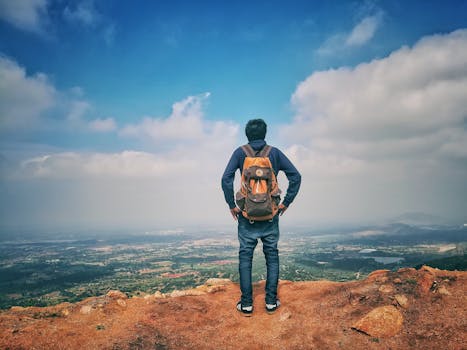
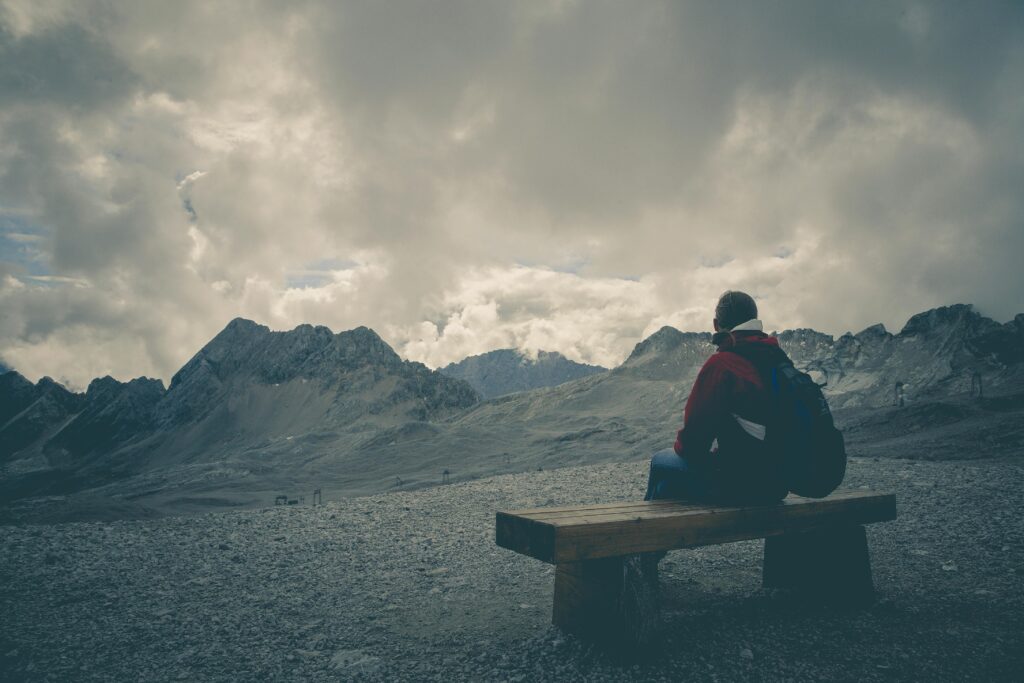
    A solitary traveler sits on a bench, gazing at a mountain range under a cloudy sky.

    1. Understanding Self-Doubt in Backpacking

    Let’s start with the basics and talk about the obvious: self-doubt. It’s that annoying voice in your head that makes you question if you can really do this. Trust me, you’re not alone. Every person I know and spoken to about this, no matter how experienced, has felt it.

    Self-doubt can come from all sides. Maybe it’s the fear of the unknown, like what the f*@K is around the next corner? Or maybe you’re worried because you’re not as experienced as you’d like to be. And let’s not forget about safety concerns—those can really mess with your head.

    The first step to any problem is to recognise it. Pay attention to those moments of hesitation, the anxiety creeping in, and the negative self-talk. Once you spot these signs, you can start dealing with them.

    Remember, self-doubt is just a part of life. It’s natural to feel it, especially when you’re pushing your limits. But understanding this can help you manage it better. So next time you’re out there, and that little voice starts whispering, tell it to take a hike or just take a hike.

    2. Preparing Mentally for Your Backpacking Journey

    Alright, let’s get real about getting your head in the game for any new change whether you’re learning a new skill or starting a solo adventure. Mental prep is just as important as packing your gear. I always start by setting some realistic expectations and goals. I wouldn’t dream of climb mount Everest when I’m struggling to run half a marathon—my plan is to always keep it doable and relatable.

    I always tell myself “picture yourself smashing those challenges” and yes I sometimes speak to myself in third person. I visualise the positive outcomes, I remember doing this 4 day hike called the Salkantay trek to Machu Pichu in Peru and rather just thinking of reaching there, I enjoyed the views I have and the breaks I took. It’s all about building that mental muscle.

    Before heading out, look to build a support network. Chat with friends or family or both if you’re fortunate enough about your plans and any worries you have. I kid you not when I say their encouragement was a massive confidence booster (although I’d never admit this to them). Plus, knowing you’ve got people rooting for you can make a world of difference when you’re out there.

    So, get your mind ready, share your journey with your crew, and remember: you’ve got this.

    3. Embracing the Challenges and Learning from Them

    Let’s be real—unless you’re getting an all inclusive, travelling in general isn’t always a smooth sailing. Challenges are going to come up, but they’re also out best teachers. Instead of seeing obstacles as setbacks, think of them as opportunities to grow and build resilience. The amount of times I got lost or got ripped off is uncountable, I guess that’s probably on me but its bound to happen especially when taxi drivers or store owners see you as a foreigner, or better as a victim.

    I met quite a handful of people in the morning whilst having my breakfast with a travel journal, so I decided to get one myself and not only have I found it to be a game-changer but also quite therapeutic. It helped me reflect on my experiences and track my progress. Plus, celebrating those small victories and milestones along the way can kept my mindset positive and my spirits high.

    4. Connecting with Fellow Travellers

    One of the best ways to is by connecting with other travellers, especially when you find out you guys have things in common and share the same humour (even better when they laugh at your jokes). Staying in Hostels, joining backpacking communities and forums to share your experiences and pick up some tips, one being Blackpacker (a community I’m building to help the BAME community start backpacking and having the confidence to do solo trips).

    Making friends on the road can give provide emotional support and practical advice. Honestly, some of my best mates right now I’ve met whilst staying in Hostels a few years ago I was in Barcelona solo and next year I’m going to his stag in Croatia and his wedding in Italy!

    So, don’t be shy about sharing feelings of self-doubt with those close to you; opening up can lighten the emotional load and help form deeper connections.

    5. Self-Care and Mindfulness Practices

    Taking care of oneself is key to managing self-doubt. Incorporate self-care and mindfulness practices into your routine. I honestly struggle to practice mindfulness and meditation on my own, so I’m currently using this app called Headspace which is helping guide me to stay grounded and present.

    Its easy to lose track of yourself when travelling, you get caught in the holiday so much that you end not looking after your physical health but its important to so but eating well, staying hydrated, and getting enough rest. Find moments of peace and relaxation, whether it’s through yoga, reading, or simply soaking in the beauty of nature or sunshine. These practices can rejuvenate your spirit and keep you cantered.

    Conclusion

    Backpacking isn’t just about ticking off new places on a map; nor discovering who you are cause wtf does that even mean, its all about enjoying it, being grateful that you’ve got the opportunity to do so and if you learn more about yourself then it’s a f*@king blessing.

    By tackling self-doubt and using even just one of strategies, you can turn your backpacking trip into an epic journey of self-learning and added confidence. Remember, every step you take is a step towards personal growth.

    So pack your bags, embrace the adventure, and believe in yourself.

    You’ve got this, peace & love.